

















Is scissoring real? Skibidi, rizz, gyatt and is it cap? Why do all polyamorous people look like that?
Young adults nowadays have more and more unsupervised internet access, and it is still increasing despite recent efforts to unplug as a society. The average young person, according to the American Academy of Child and Adolescent Psychiatry, spends over seven hours online each day, but that’s just those who are reporting their screen time. In this new online era, there are new changes: new language, new ideas and new issues. What does being “chronically online” mean for the queer community?
Being “chronically online” is a new concept that implies that a person’s existence primarily revolves around their internet activity. For some, this might mean that they post an Instagram story every day, or they always have Snapchat open. For others, this may involve hours of scrolling on TikTok, absorbing particles of information like a sponge in water.
Honna Bonde, a junior human development and family science major, says she is “definitely” chronically online because she is “on social media every day, multiple times a day.”
Bonde, a bisexual-identifying person, says that there can be a fair amount of hate online directed towards the queer community. She has seen it for years.
The Cyberbullying Research Center reported in 2020 that 50% of LGBTQ+ students have experienced bullying. In 2021, that percentage rose two points. Most disturbingly, the Centers for Disease Control published survey results last year that reported that transgender and genderqueer identifying teens were subject to bullying nearly twice the amount of their straight and cisgender counterparts. This survey also revealed that trans and genderqueer teens experience a significant amount of this reported bullying electronically through text messages or social media.
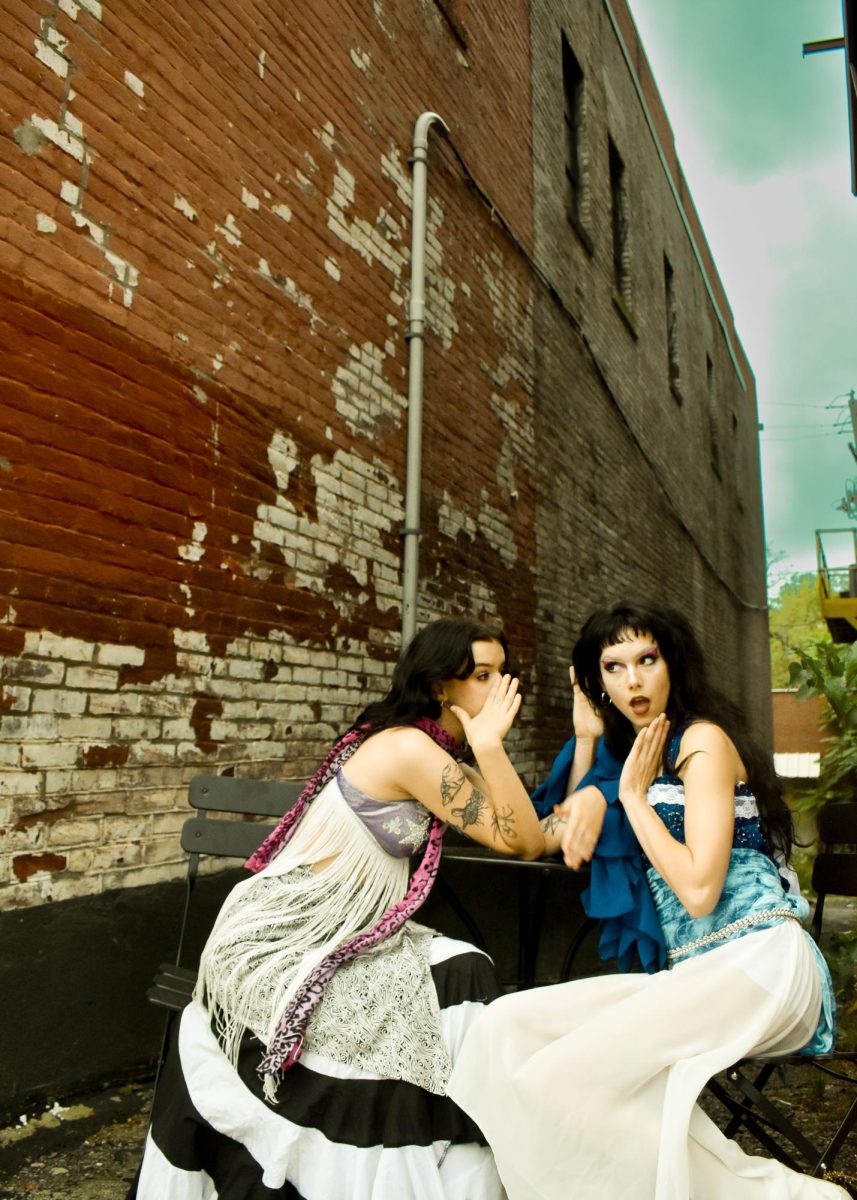
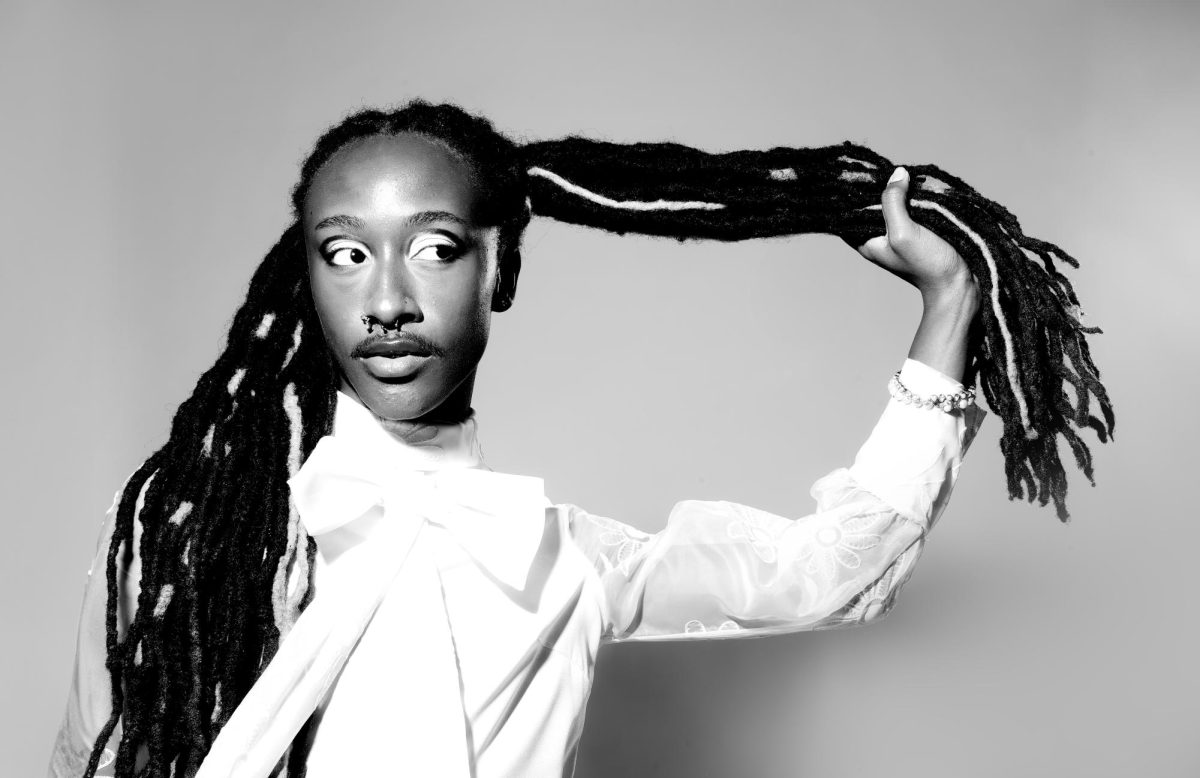
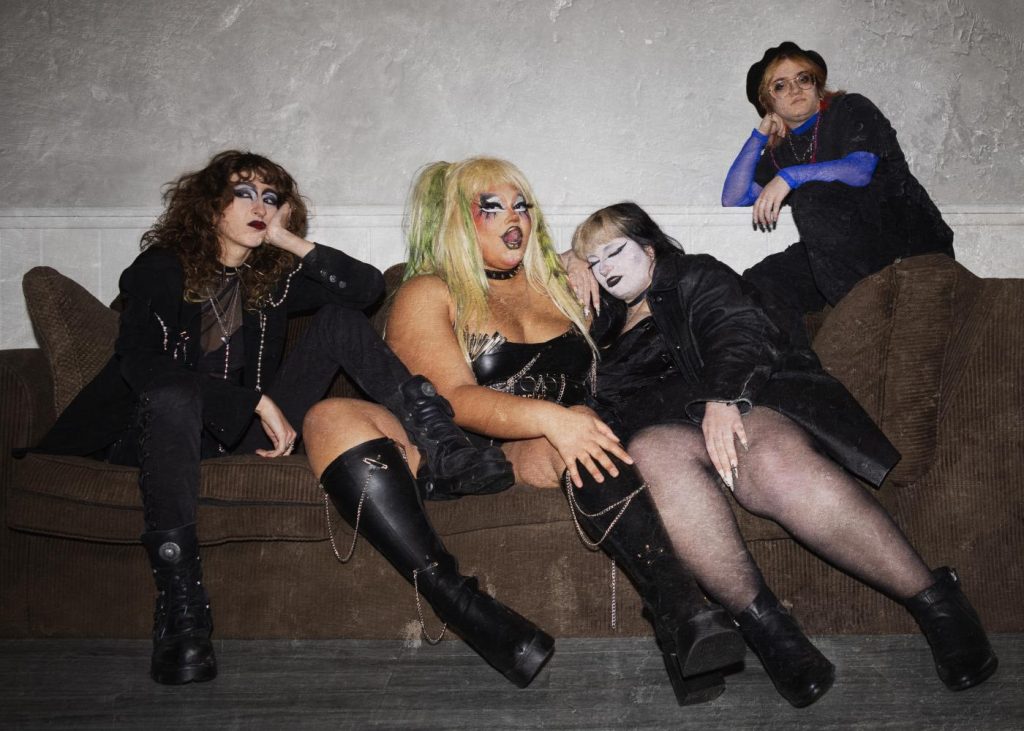
“Why do all poly people look like that?” is a recent viral query on social media, especially TikTok. After the question gained popularity on the app, it generated millions of views and comments – both positive and negative.
When videos like “why do all poly people look like that?” gain traction, they collect data and seep into your social media feed. Social media applications use algorithms to push “relevant content” to a user. According to the Digital Marketing Institute, app algorithms use different rankings to deliver your content – for example, TikTok measures engagement, account settings and hashtags.
Interacting with content by liking, sharing, or commenting, pushes similar content into a user’s feed. This is one reason why you might “like” a video of a puppy and then see five more videos of a similar looking dog. Those videos likely have similar hashtags or captions. One of the biggest boosters for apps like TikTok, is the comment section which hosts all sorts of activity. Many note that even hate comments and critiques push content further, benefiting a creator.
“I feel like people really try to push the narrative of what they think poly people – really gay people in general – look like, so only specific people in those groups go viral,” Bonde said.
Gay men must be feminine, all lesbians are butch and hate men, bisexual people are just “passing” as straight, transgender people are confused. When these stereotypes go viral, they don’t favor just one group. However, they do fuel misrepresentation and hate.
The internet might think that polyamorous people look a certain way, but every person is different. At the young ages of 5 and 6 we learn that people are like snowflakes: no two are alike. But if everyone knows this to be true, what makes these snarky comments flourish?
The Havok Journal says that anonymity might be one of the reasons people feel comfortable spreading hate online. Many feel detached from their online identity, which dissociates comments made online from the actual people making them.
“I try not to tell people I’m bi when I have a boyfriend because I feel that it will make a lot of people mad,” Bonde said. “Used to be upset about it, now I don’t really care or think twice about it.”
Bonde is describing what is often called “straight passing” which occurs when a queer person is in a relationship that does not present itself as queer. When, for example, a bisexual woman dates a man, a hater might say “you’re not really bisexual.” Oftentimes, these comments about being “straight passing” are fueled with judgment and are extremely invalidating. This concept has been used against primarily bisexual individuals, but also pansexual and asexual people.
Similarly, some lesbians identify with or use the term “gold star lesbian,” which refers to a lesbian that has never slept with a man. This phrase becomes hurtful when it’s used to label certain lesbians – those who have experienced romantic or sexual relationships with men – as less than or “othered.” The term also has roots in purity culture; it enforces stereotypes and it is just another way to control women.
Bonde says being chronically online helps spread awareness, but it also helps spread hate.
The terrifying part is that, oftentimes, the hateful arrows are being shot from a queer person’s bow.
“I think I’ve probably internalized things because it’s not hard to when you have access to that stuff all the time. But I think maybe it’s become a norm, so it’s not so easy for me to see what it is,” Bonde said.
So what else are we internalizing? Why do we break each other down? When do we know when it’s time to unplug? When we realize we’ve become complacent.