





Over the last decade, online culture has shifted, trends have come and go. People everywhere are taking to social media to remember what life was like 10 years ago. We want to reminisce too.
In no particular order, here are 10 nostalgia-filled memories from 2016 that Fusion staff is taking into 2026.
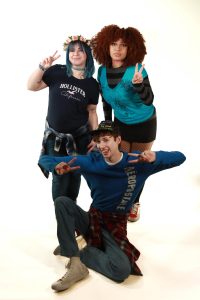
-
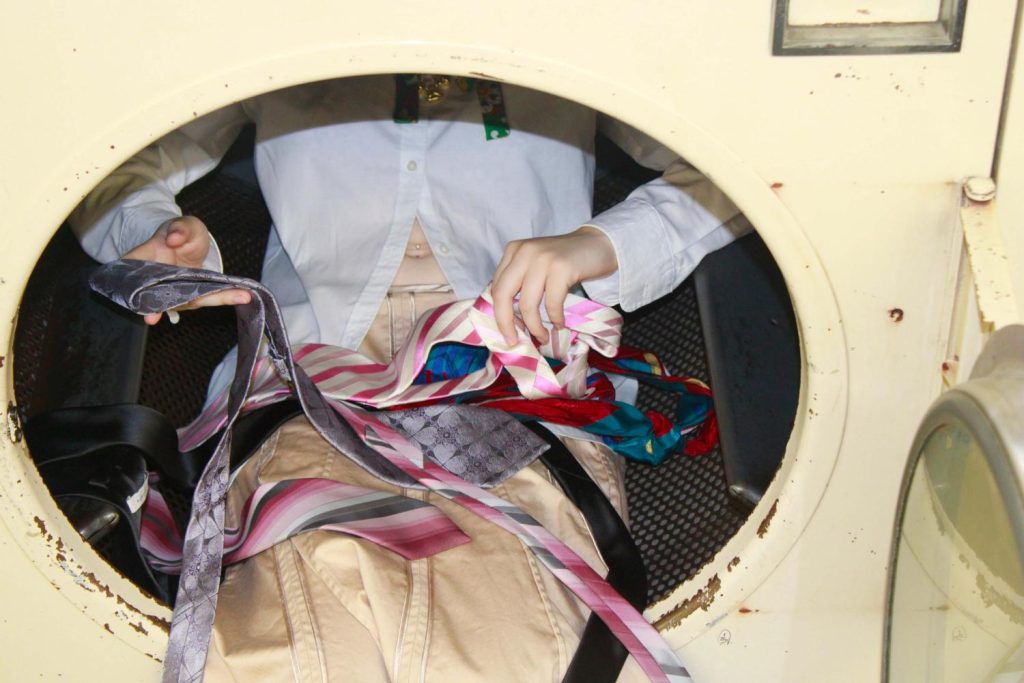
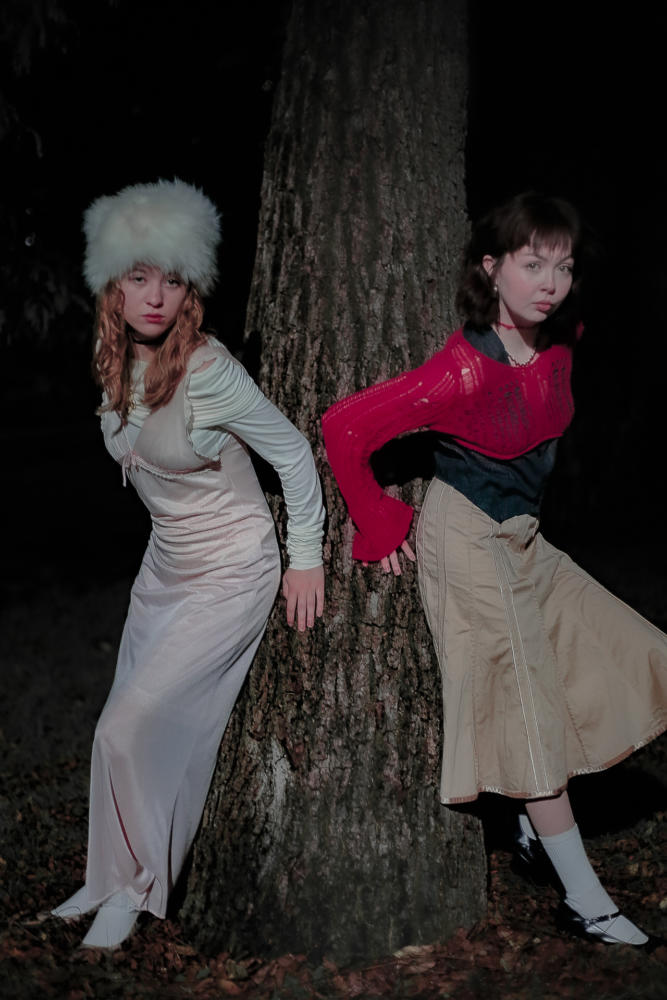
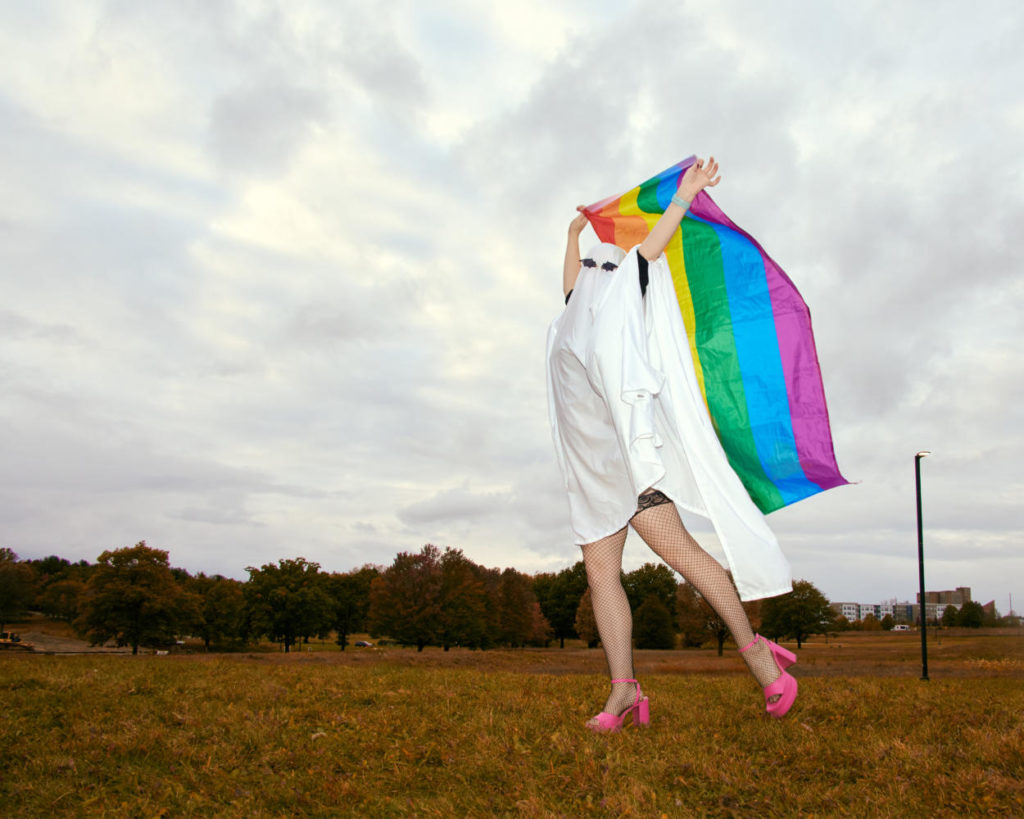
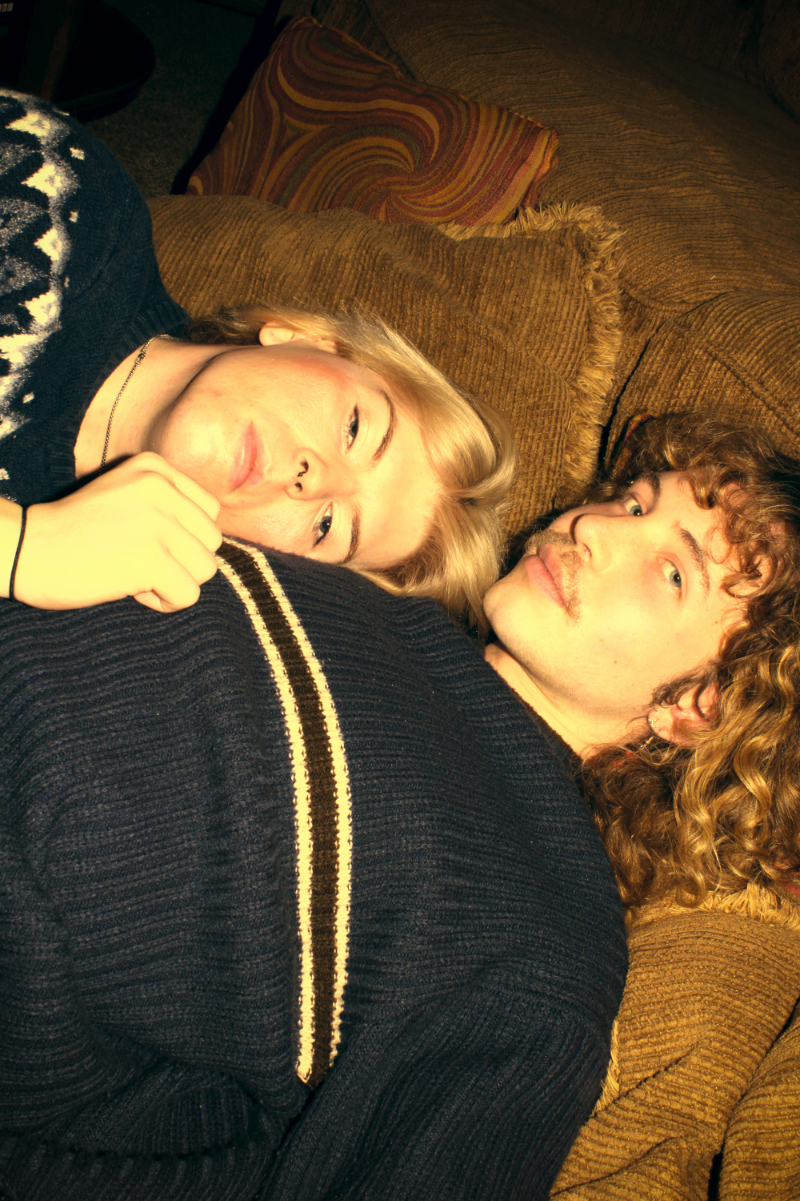
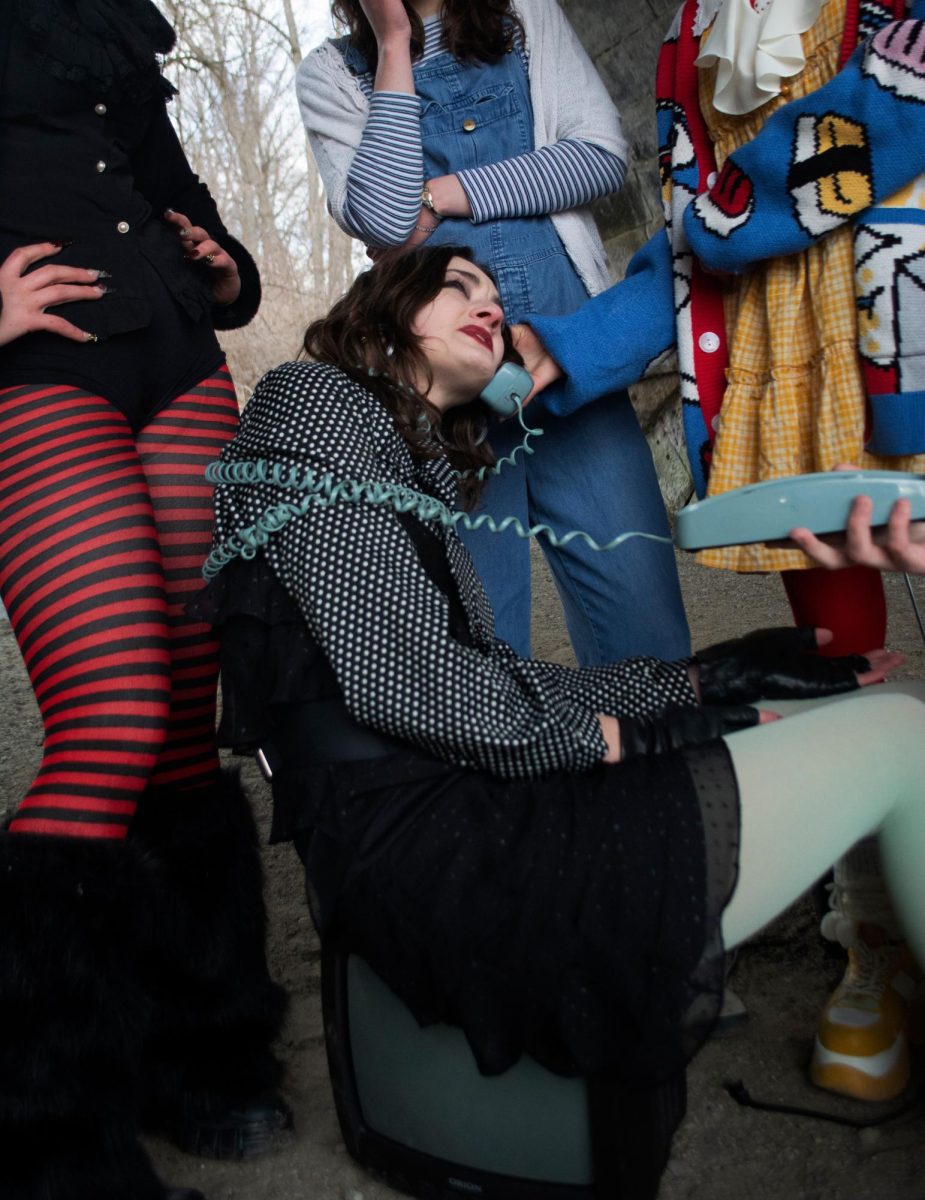
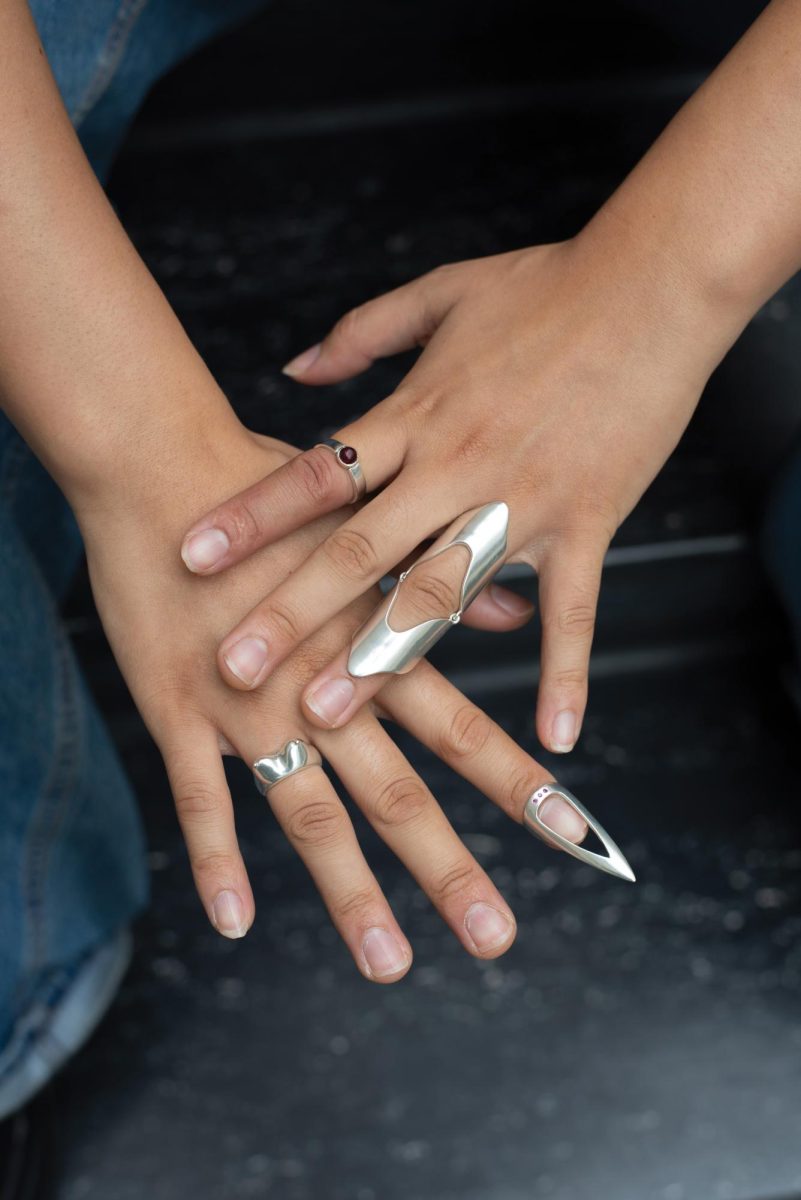
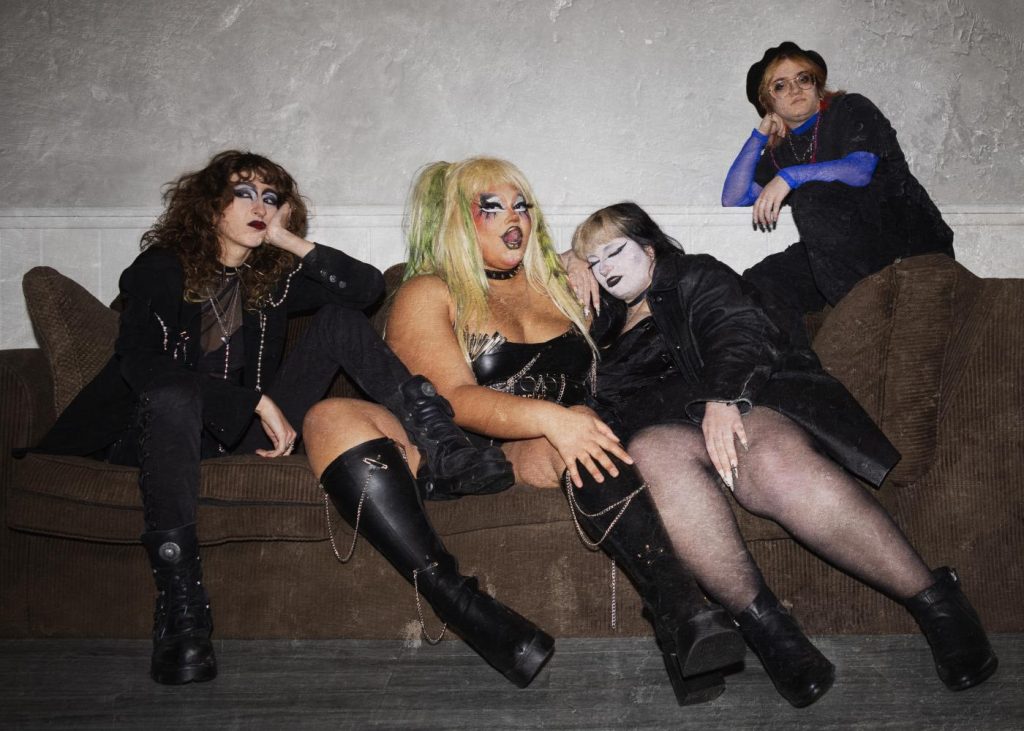
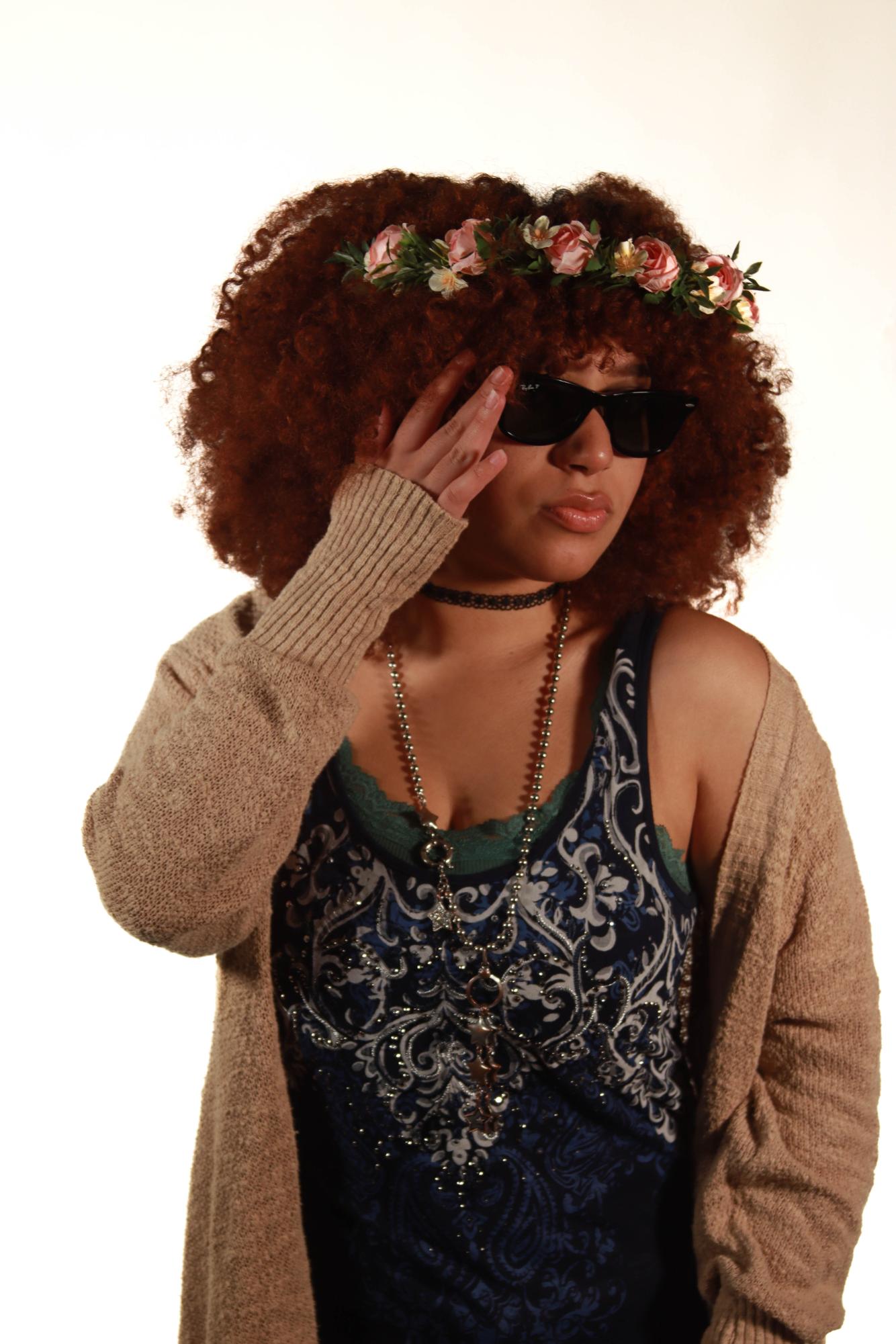
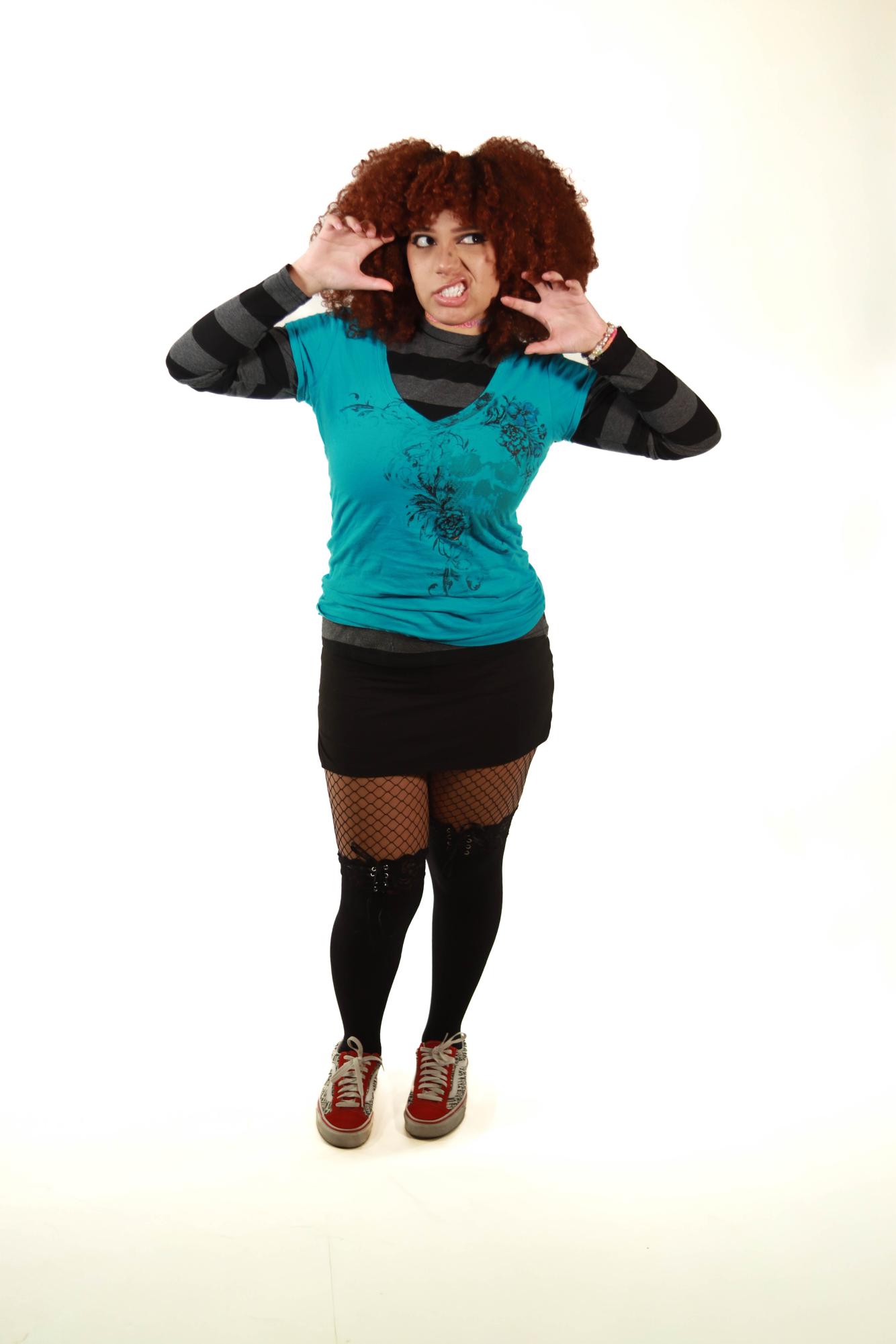
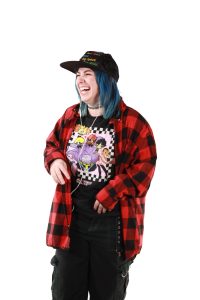
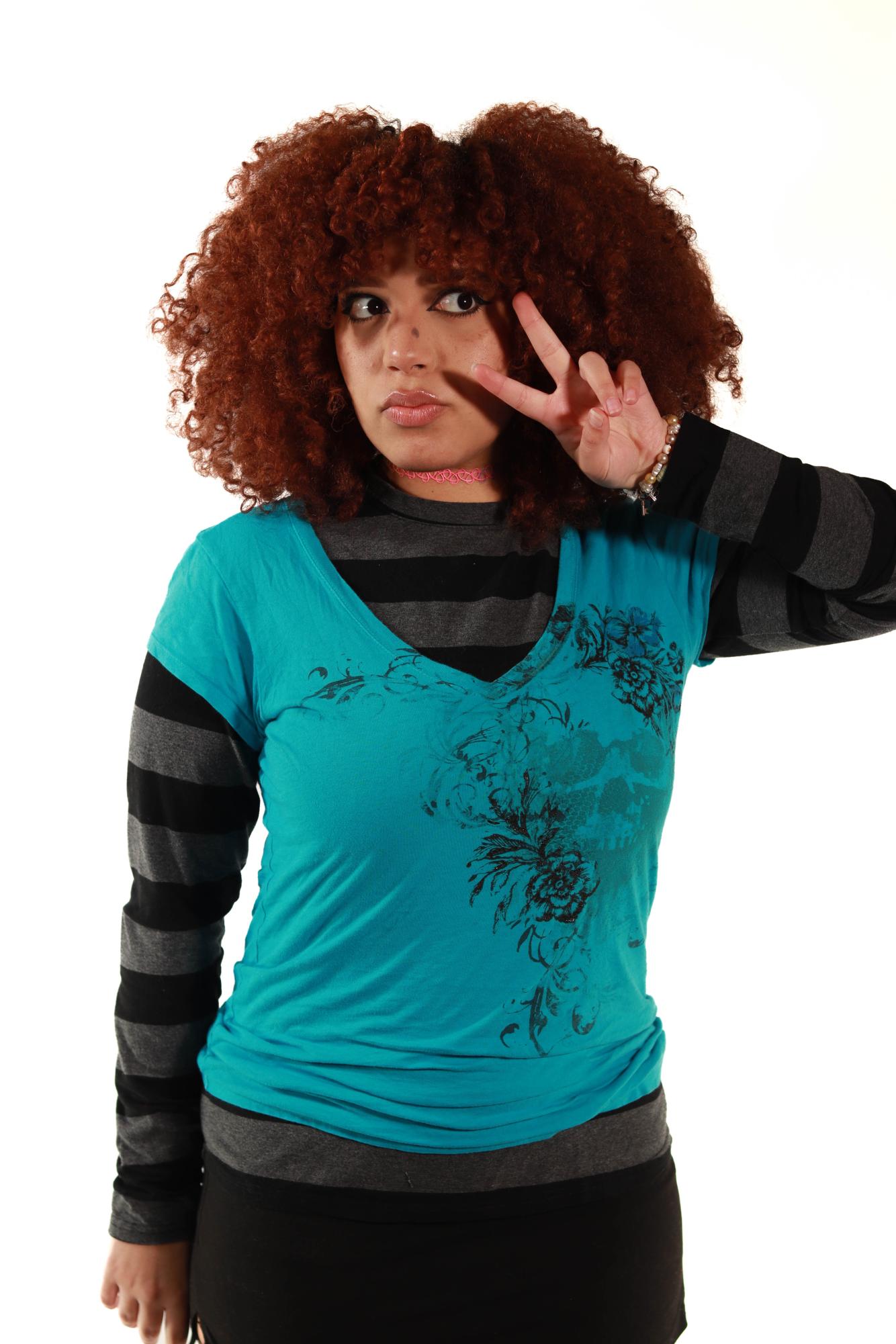
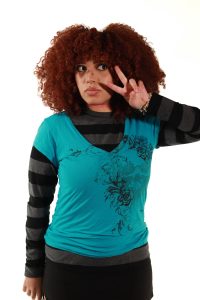
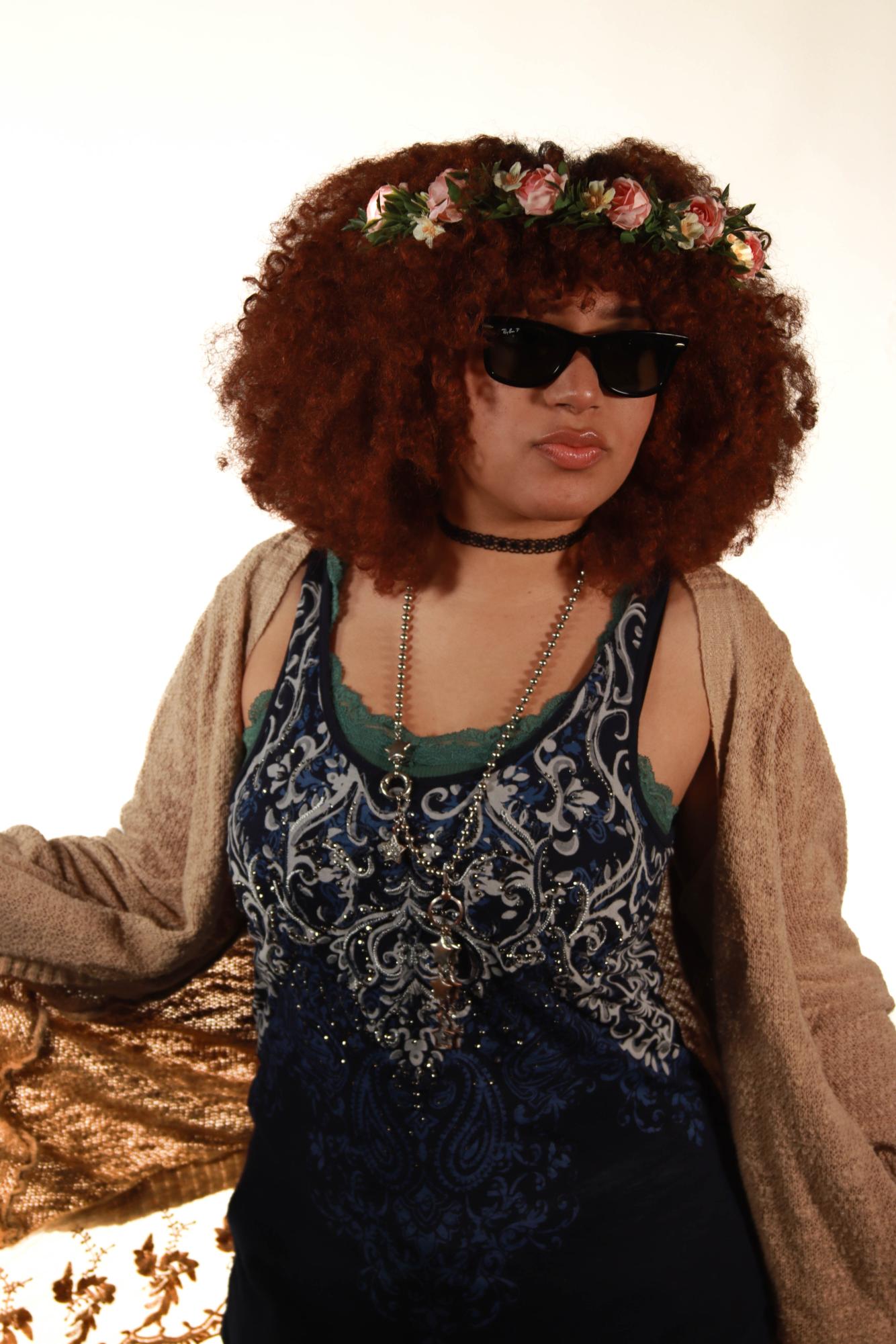
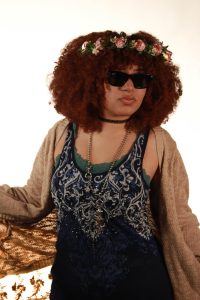
Model: Reily Morris
-
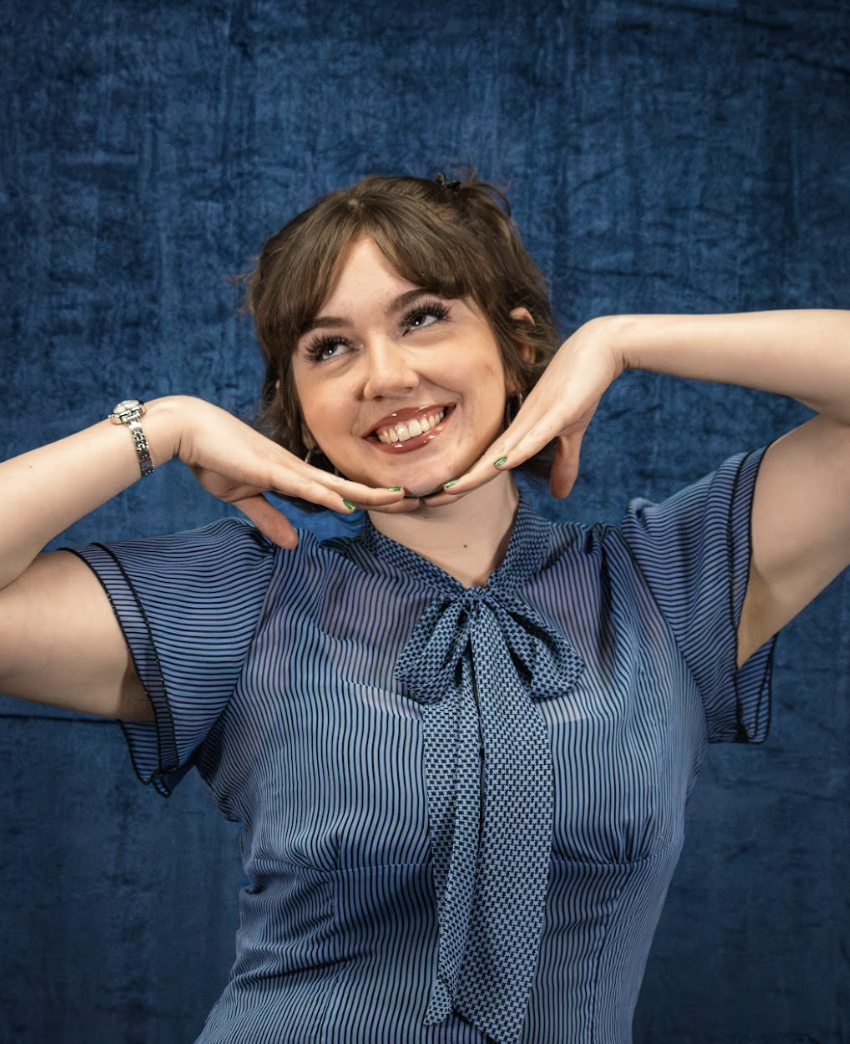
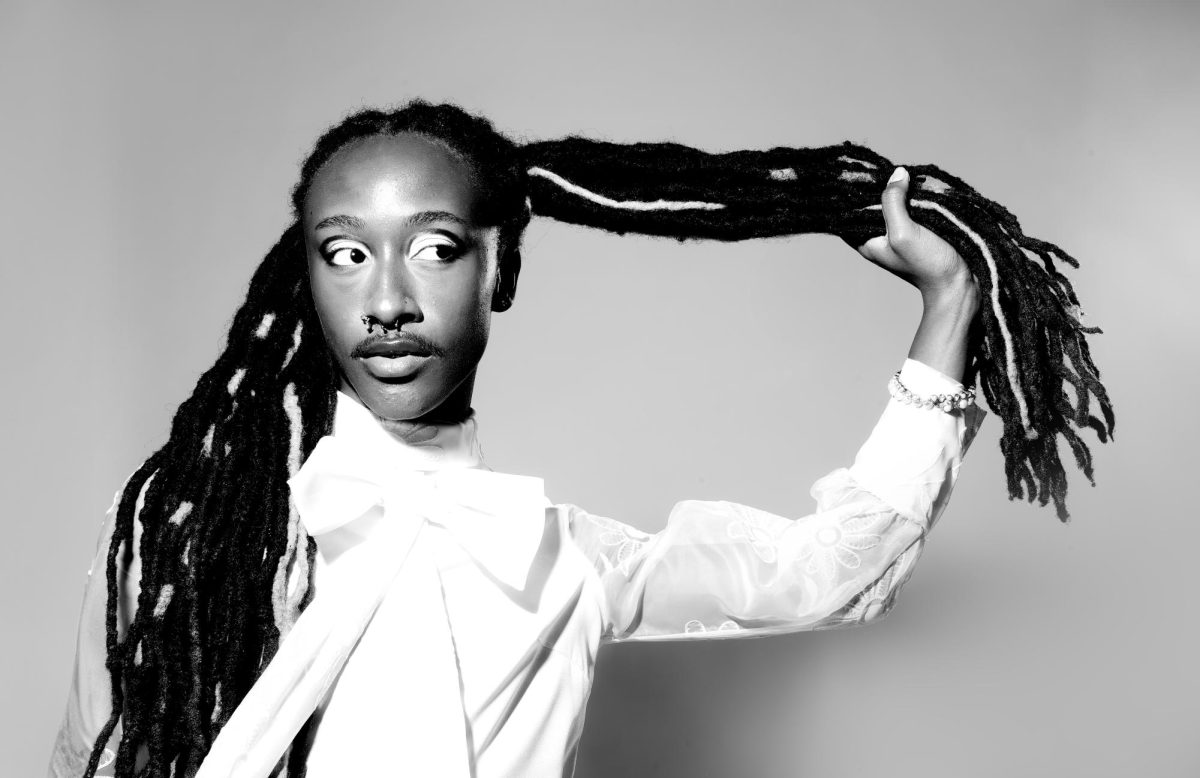
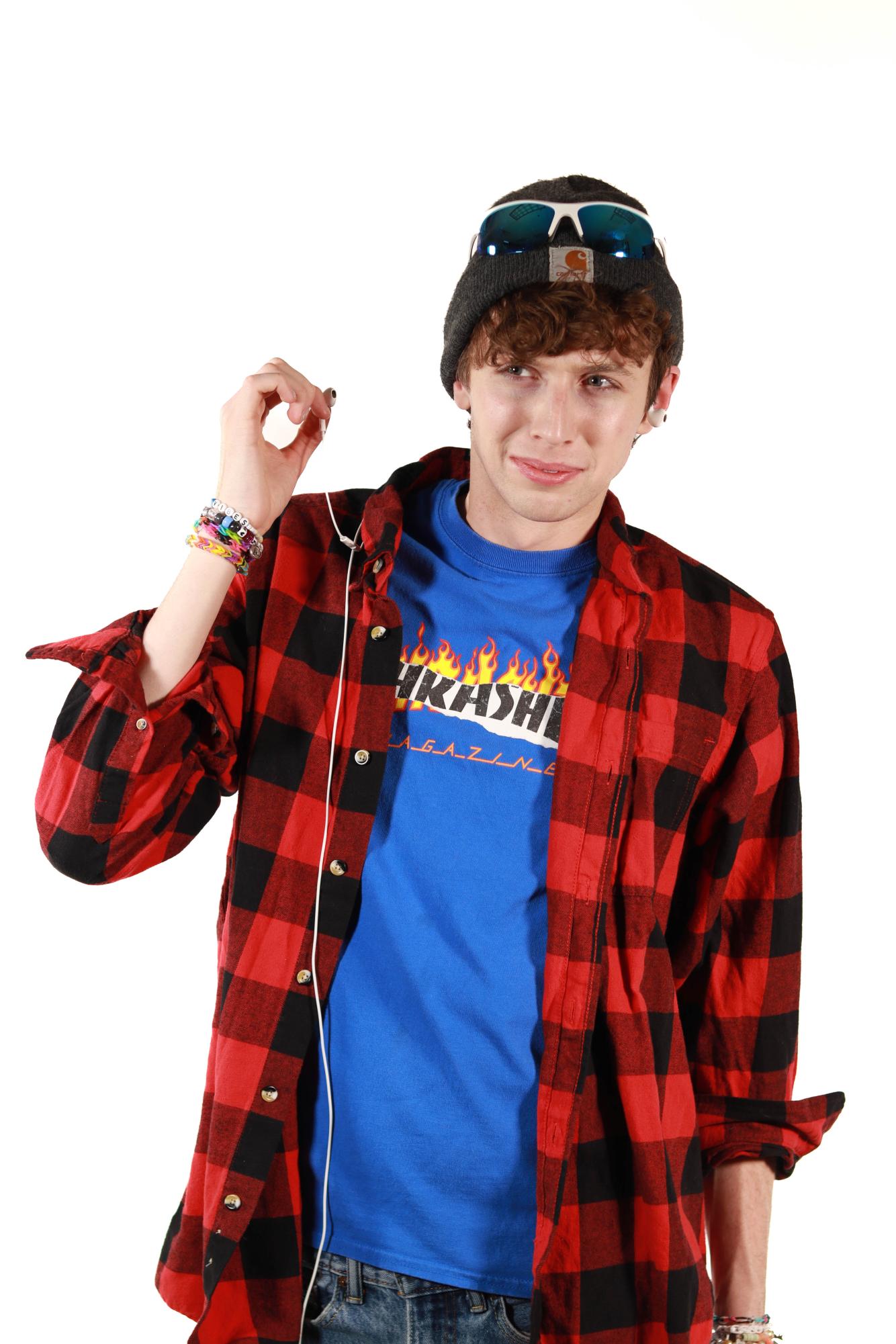
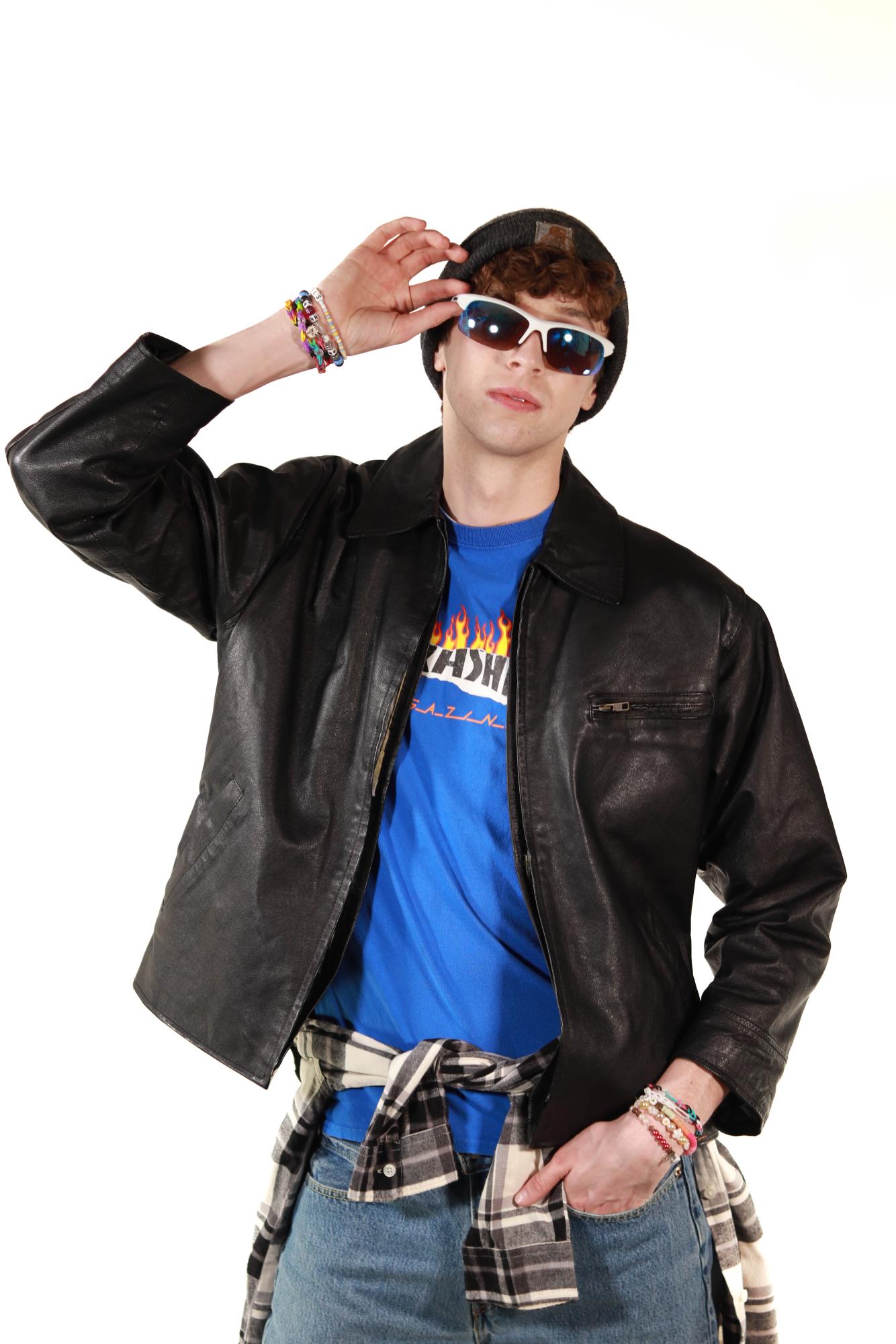
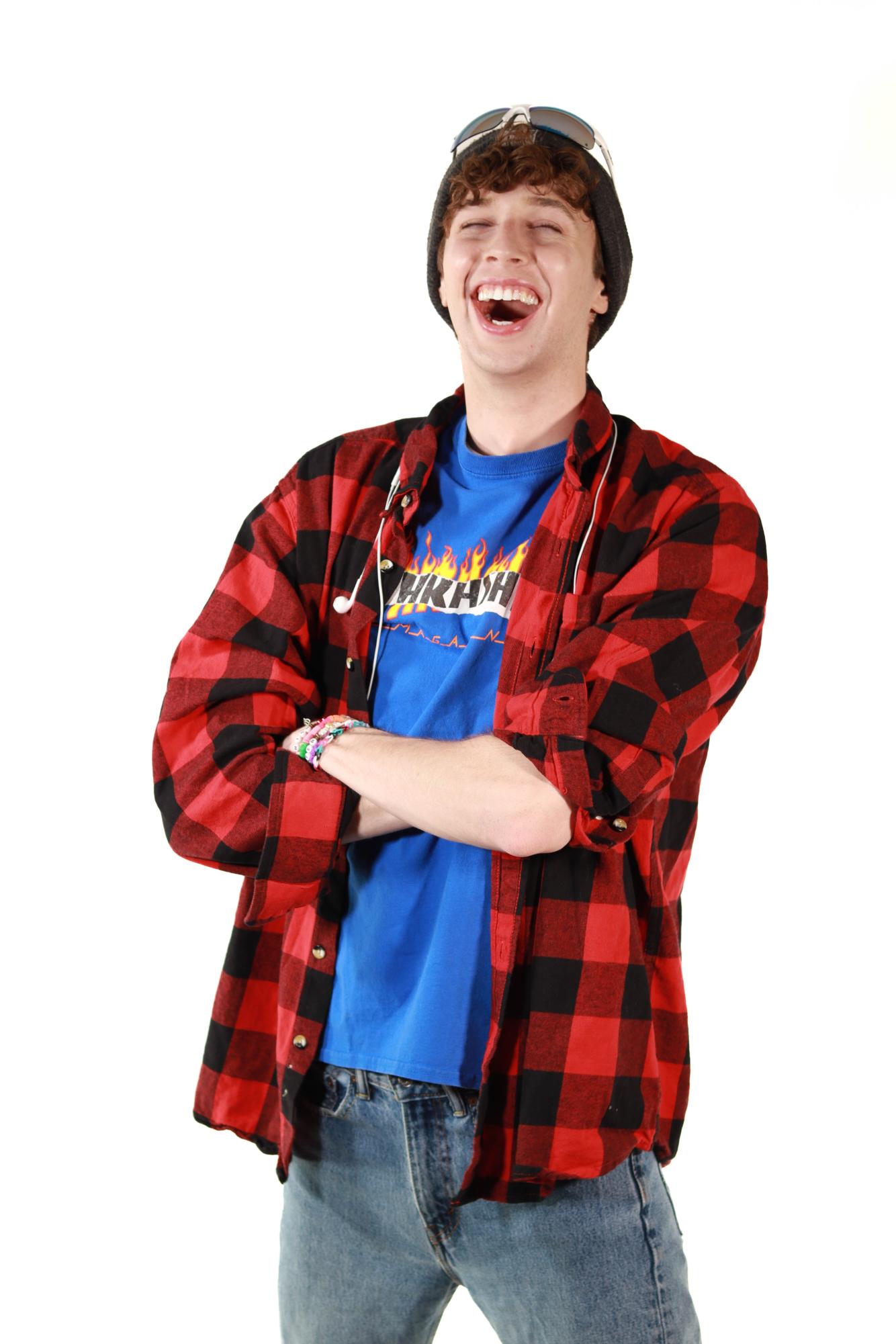
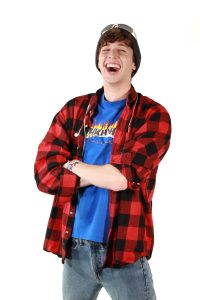
Model: Myles Bruce
-
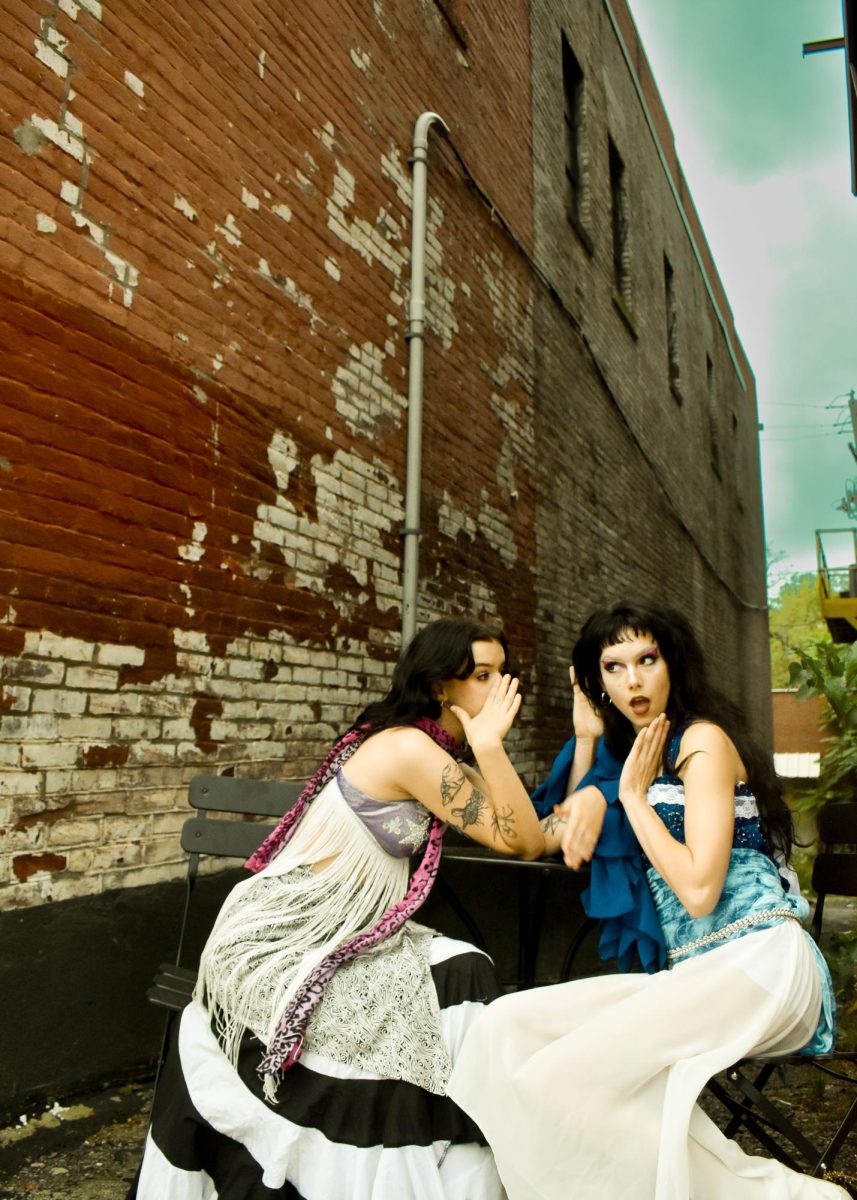
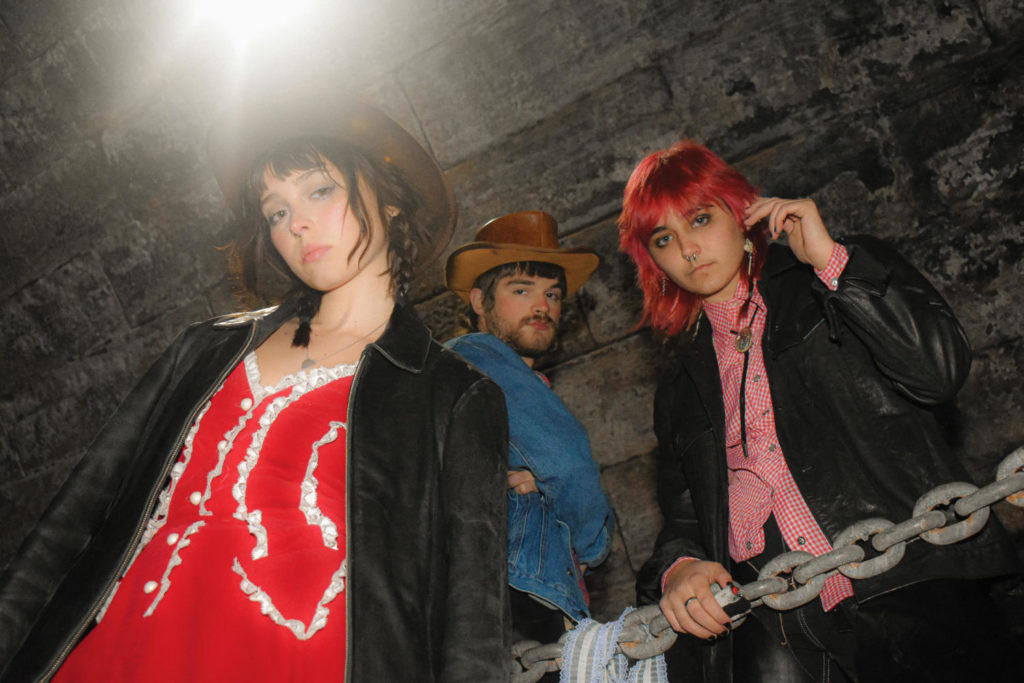
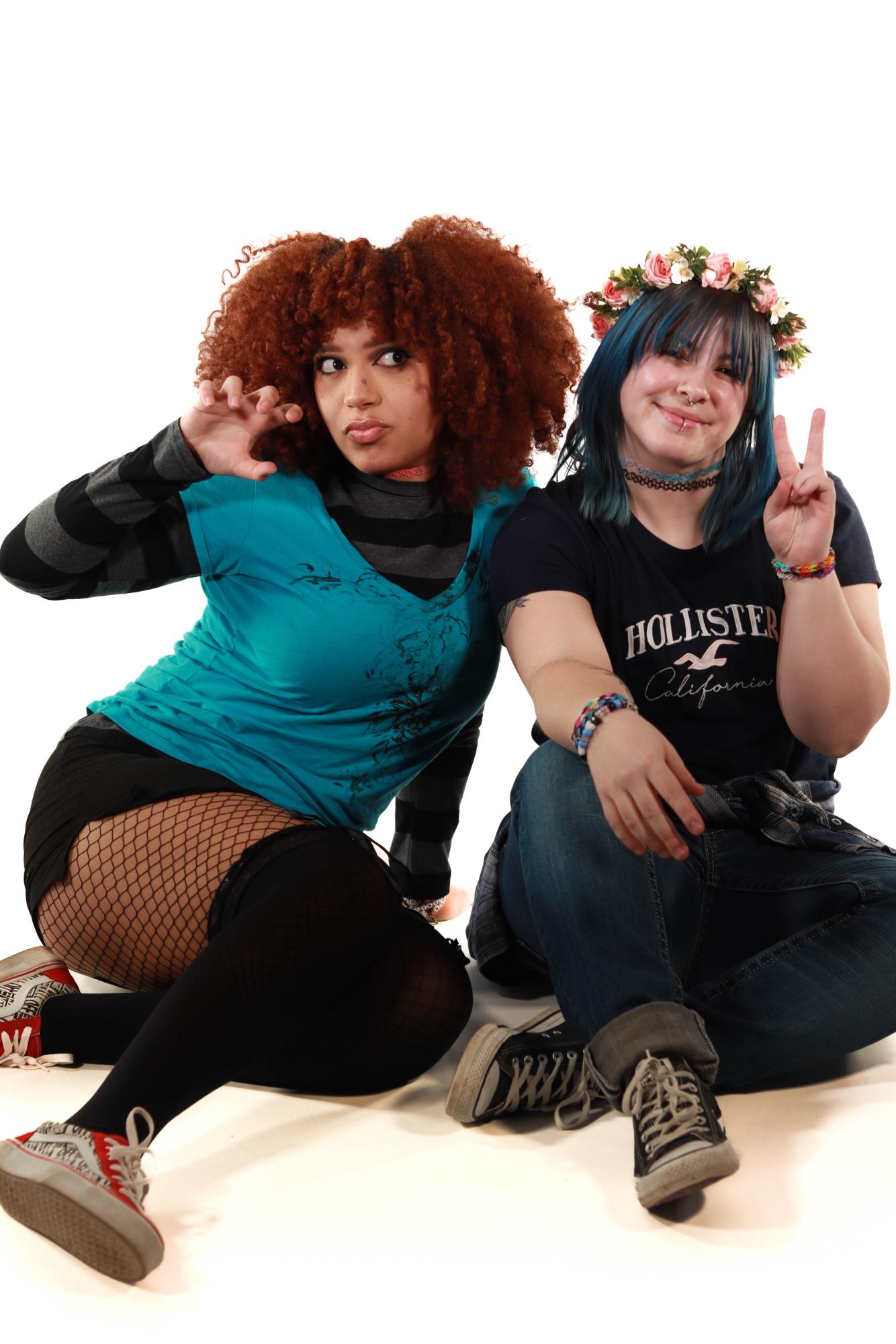
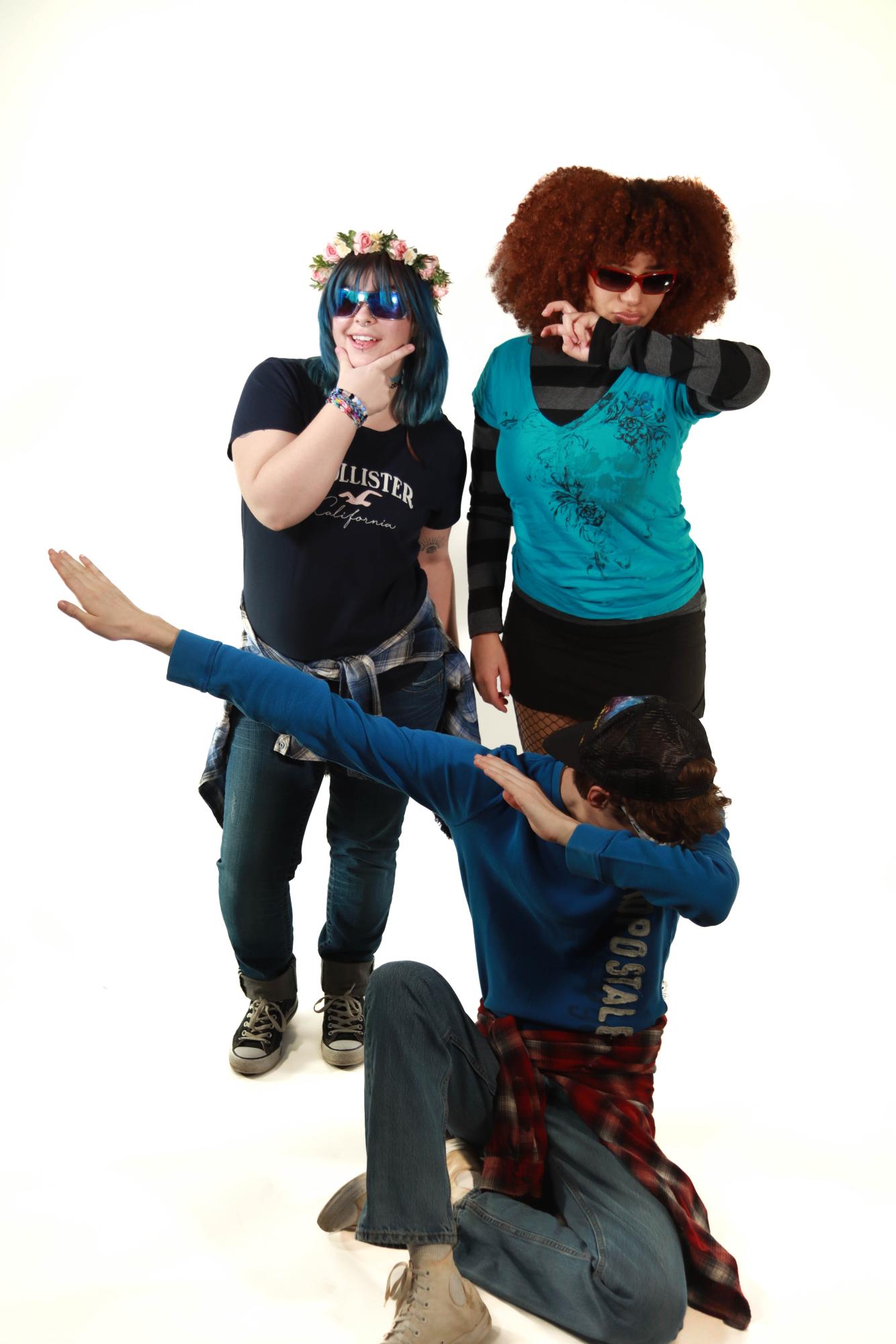
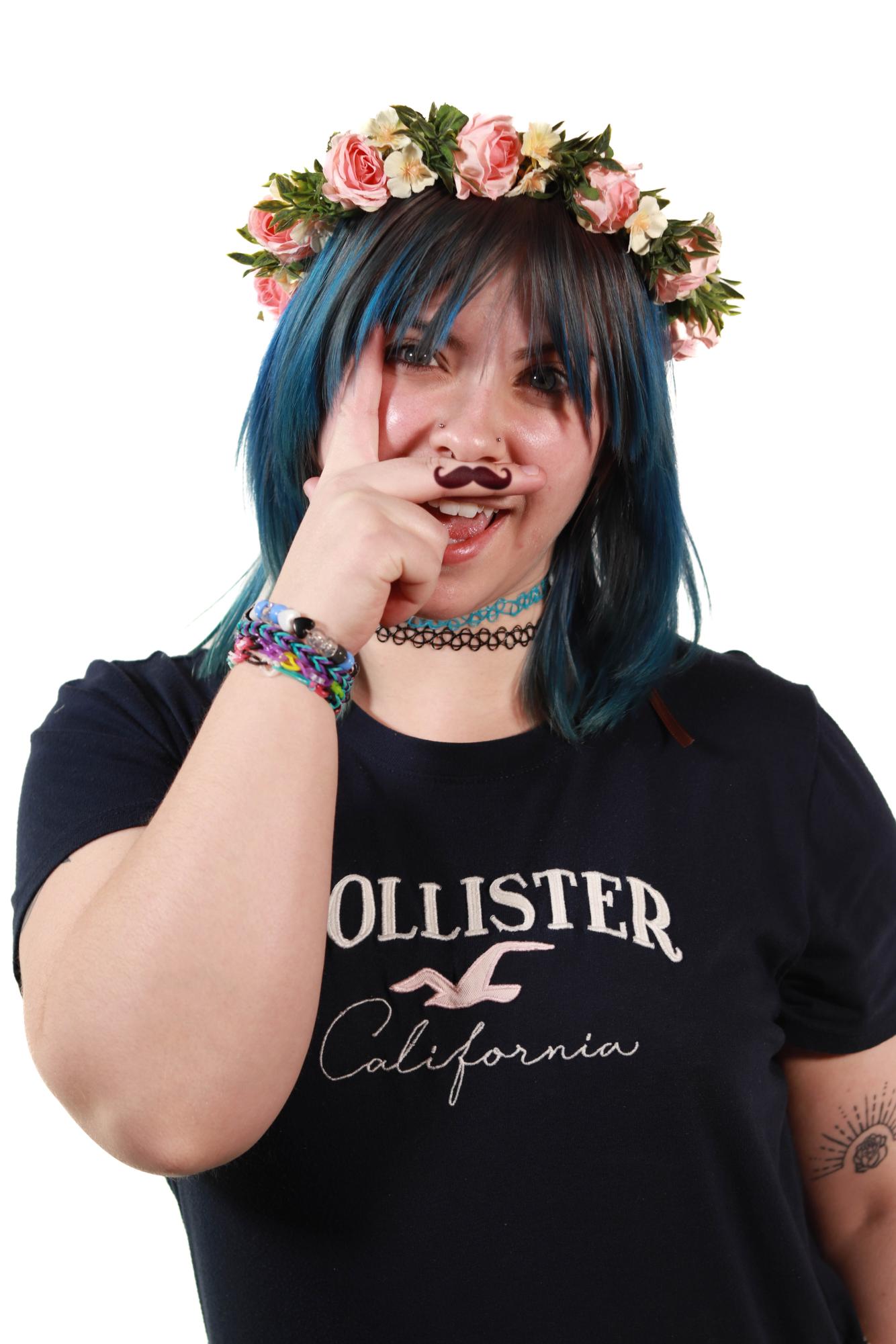
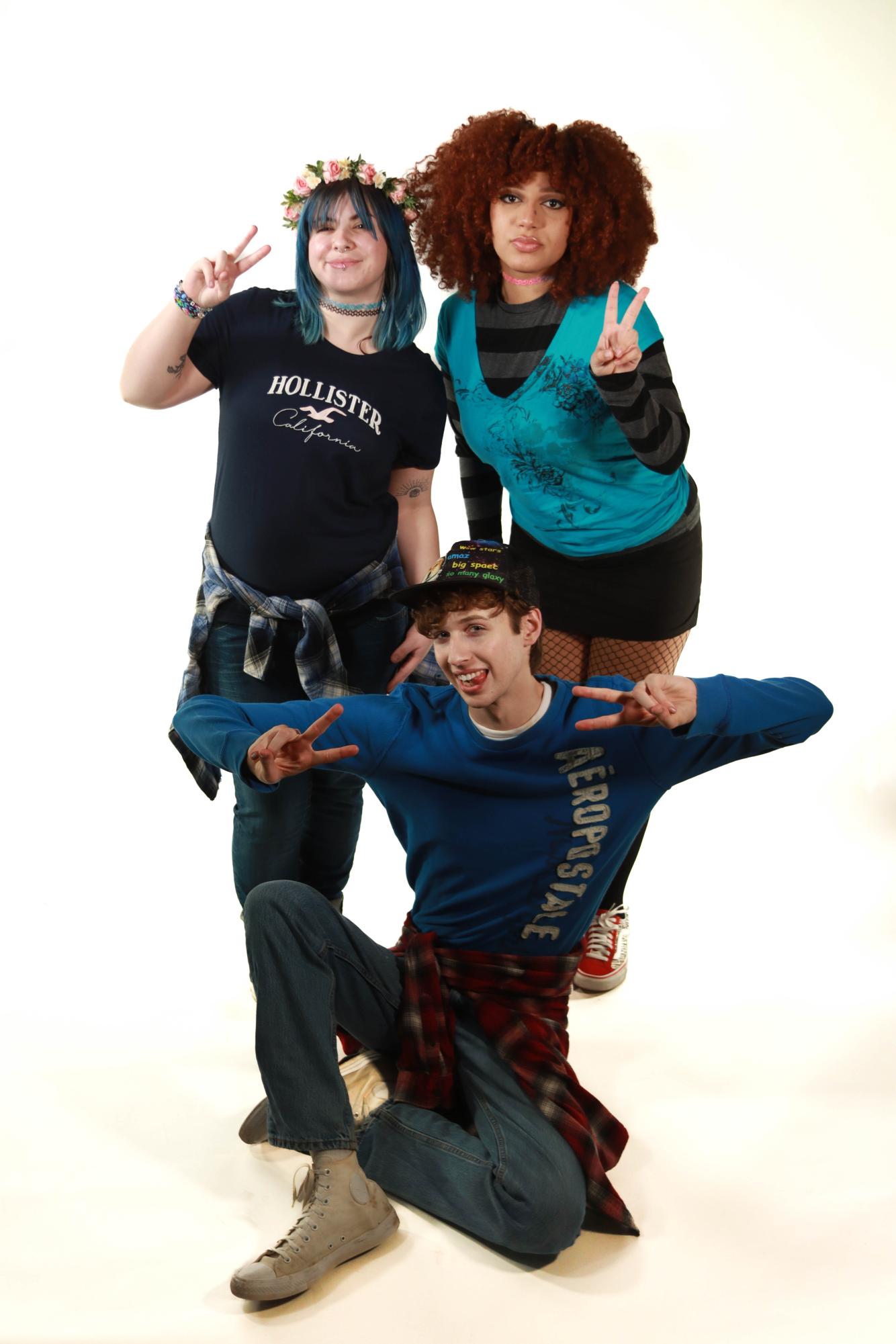
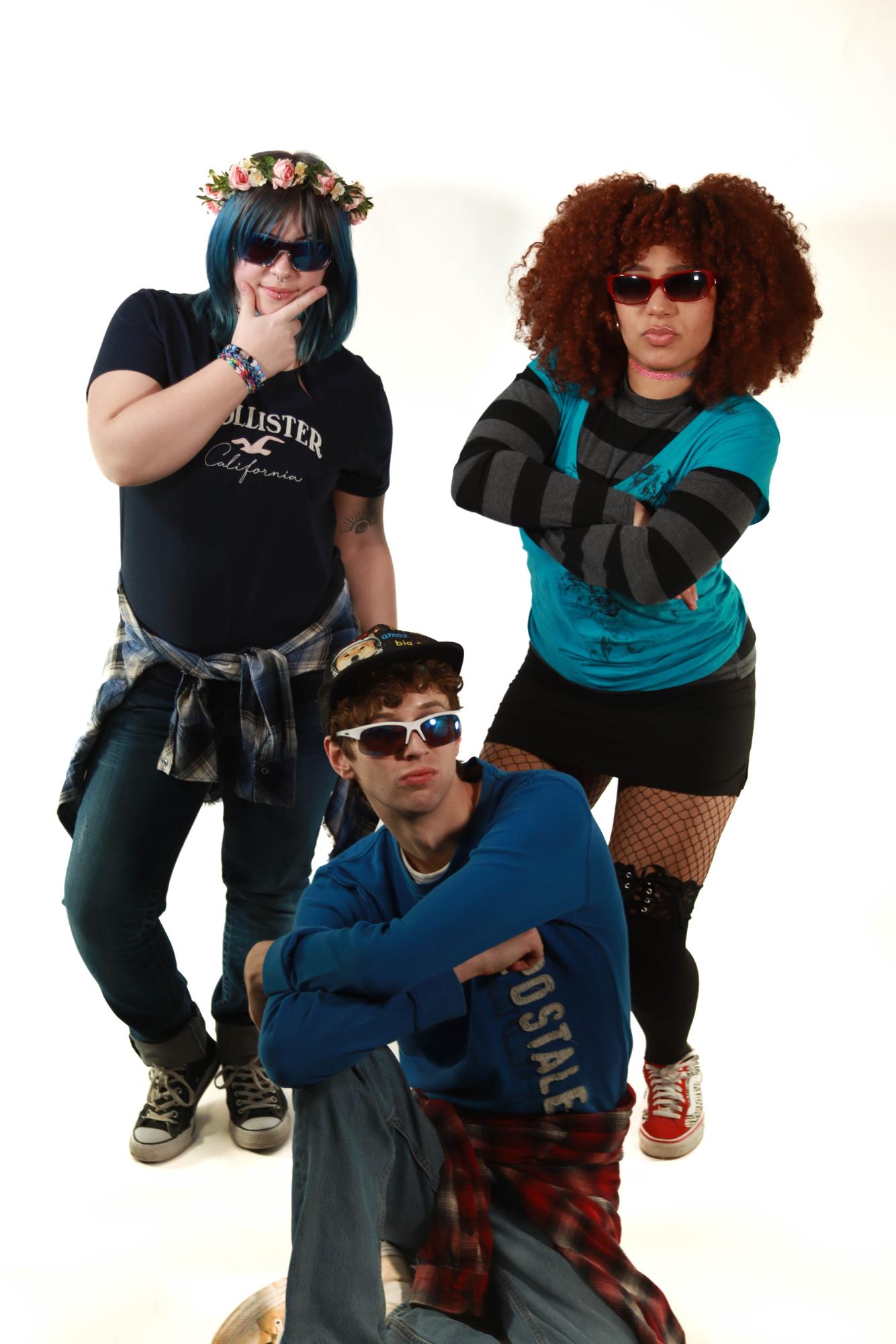
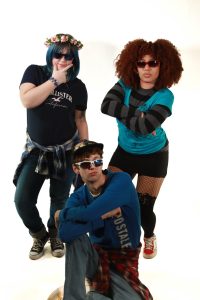
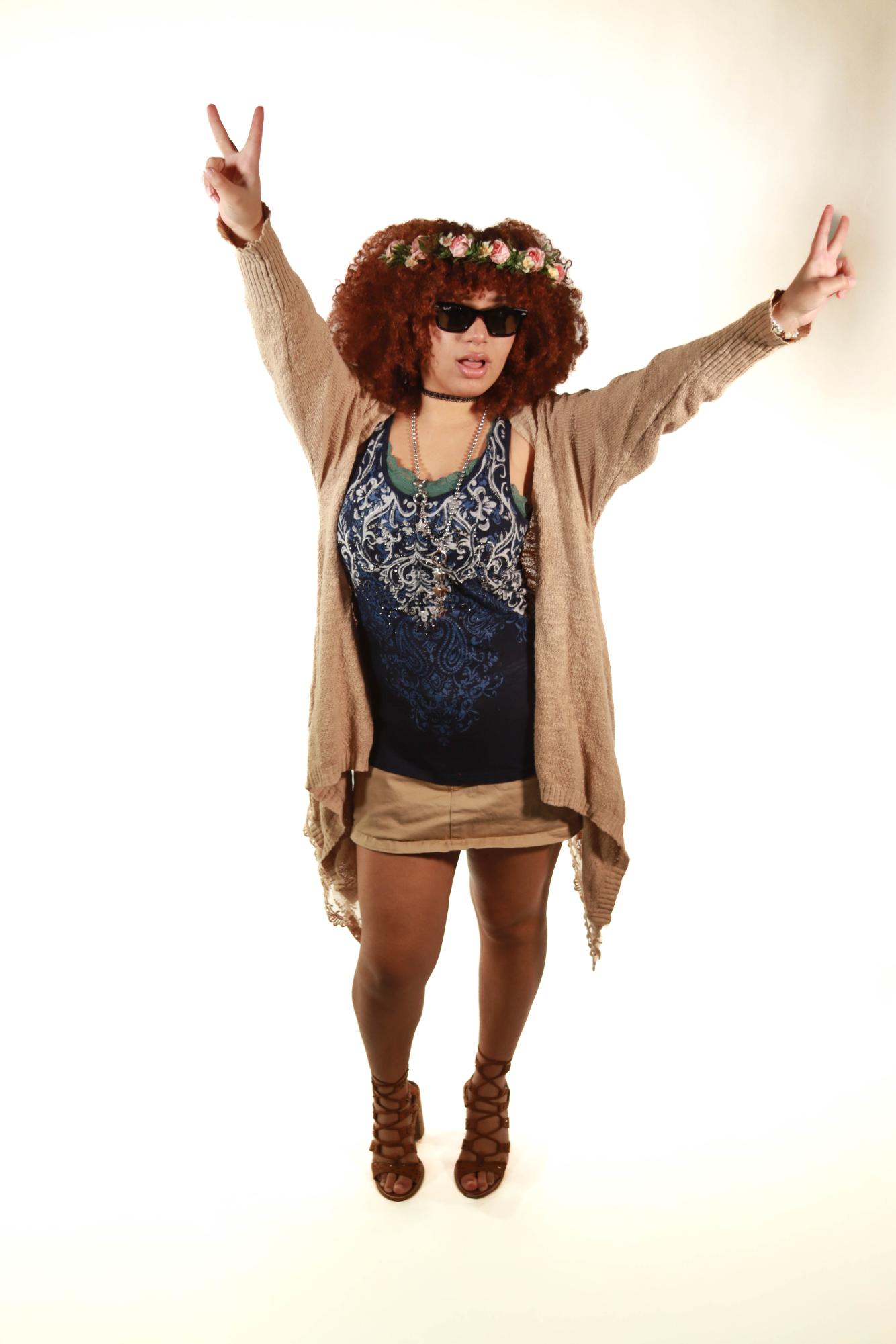
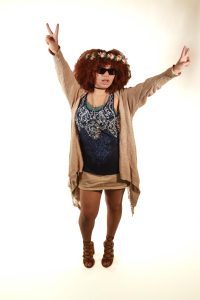
Models: Reily Morris and Sprout Dickerson
-
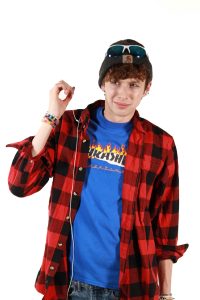
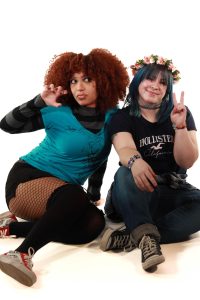
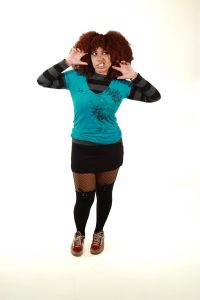
1. TROYLER
Troyler—the “ship” name for Troye Sivan and Tyler Oakley—was our mid-2010s YouTube fever dream.
Both were popular online creators and openly gay, which was uncommon at the time. Oakley was loud and energetic while Sivan was softer and more emotional. Their starkly contrasting personalities made it easy to ship them, especially when they were making content together.
For many fans, their videos represented something bigger than just entertainment. Their chemistry showed queer fans that love and connection could exist.
Even though the Troy-ler fantasy was plausible because both Sivan and Oakley were queer, the two made it clear that they were just close friends.
The ship is still important for queer people who grew up in the 2010s because it was one of the first parasocial ships that felt representative for many fans.
2. Pitch Perfect 2 (2015)
“Pitch Perfect 2,” which premiered in 2015, landed way bigger than a sequel. Its innate queerness was a cultural reset since it hit theatres during an era of peak Tumblr shipping.
In the years after the prequel’s release, queer fans (primarily lesbians) began pairing actresses in the film—for example, Anna Kendrick’s character Beca and Chloe, played by Brittany Snow became “Bechloe.”
Marriage Equality has just been passed in the United States, but queer closeness was still being used as a joke in media. PP2 allowed women to be emotionally centered with each other instead of men, which was vital for queer teens.
Ships from movies in this era feel innocent and nostalgic because they existed in a pre-algorithm internet, when fandoms were driven by feeling and not constant content creation. Queer longing was deeply felt but not exploited.
3. Musical.ly
Everybody uses TikTok. But there once was a time…
Before Musical.ly, social media was another place. YouTube asked for long, edited videos, Instagram was for aesthetics and Twitter (X) was for words. Musical.ly was low-effort and fast. It asked users to perform for 15 seconds and popularized lip-syncing, facial expressions and hand motions that were basically a new language.
Musical.ly was pure vibes, not hours of footage and editing, which made it feel so real.
Back then, you could lip-sync to songs that held more meaning than you could ever convey or make a video with someone you admire from miles away.
The culture was honest and creative. You didn’t need clout. You didn’t need to be hot. You just needed your phone tilted to the side, the right audio and a steady hand.
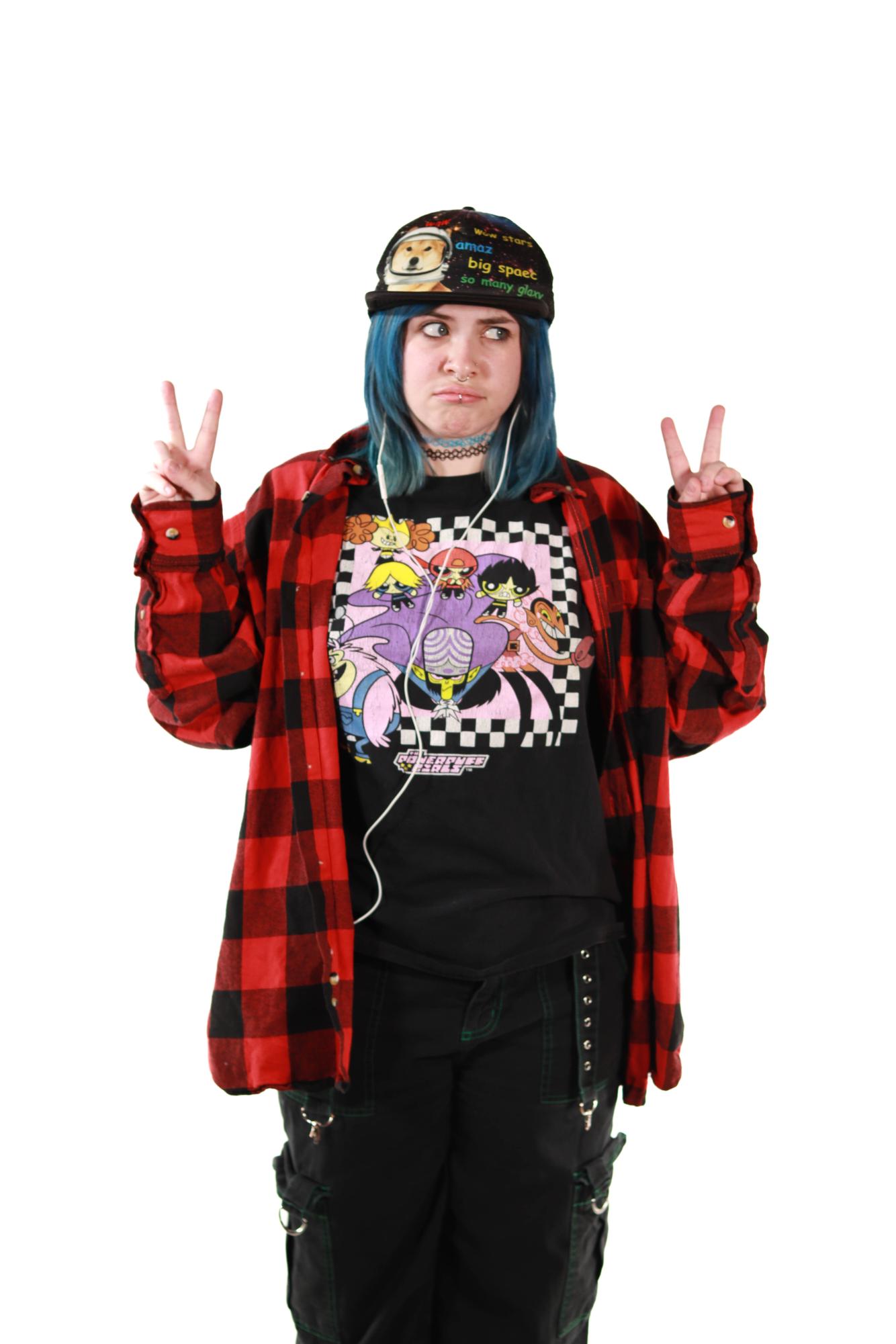
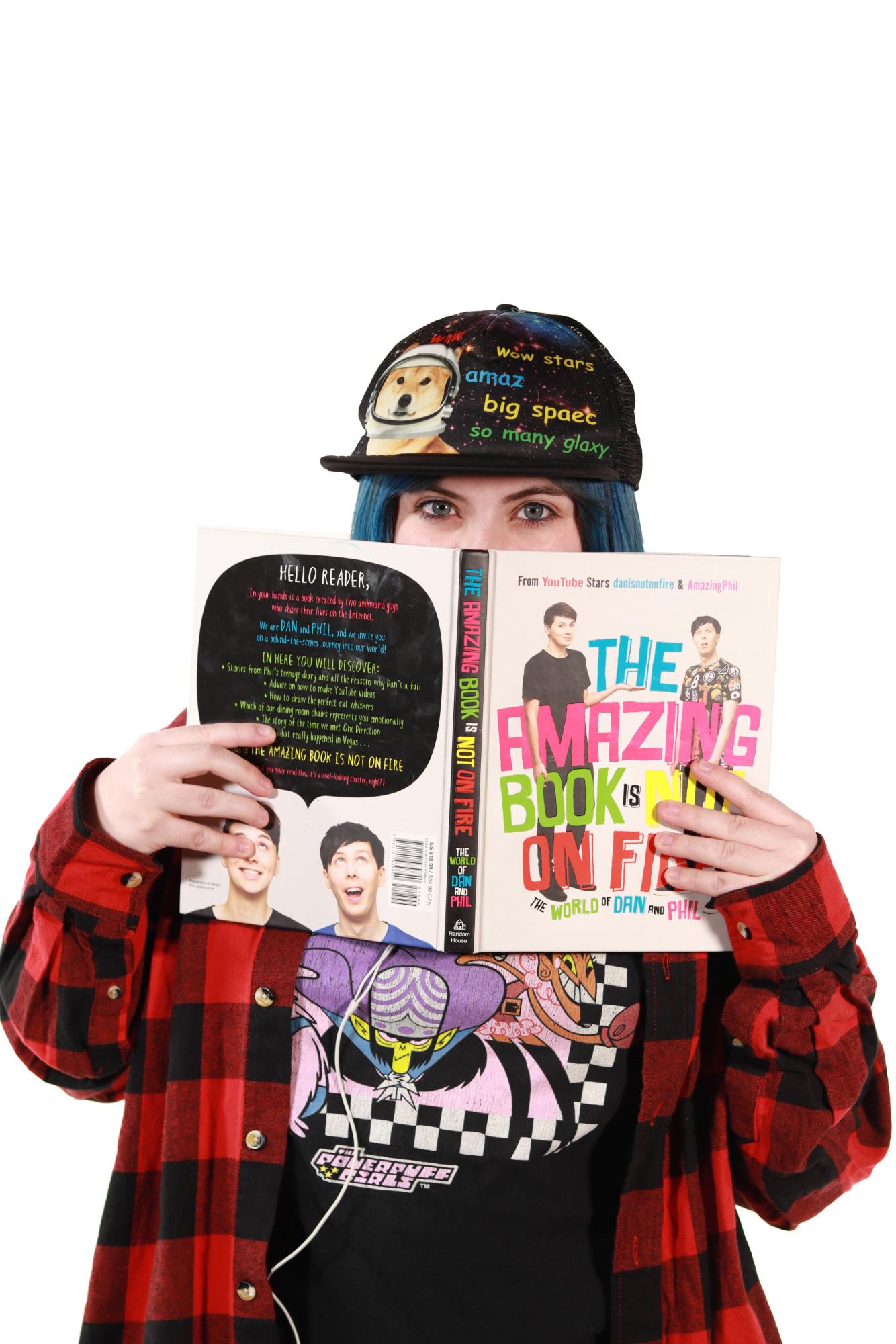
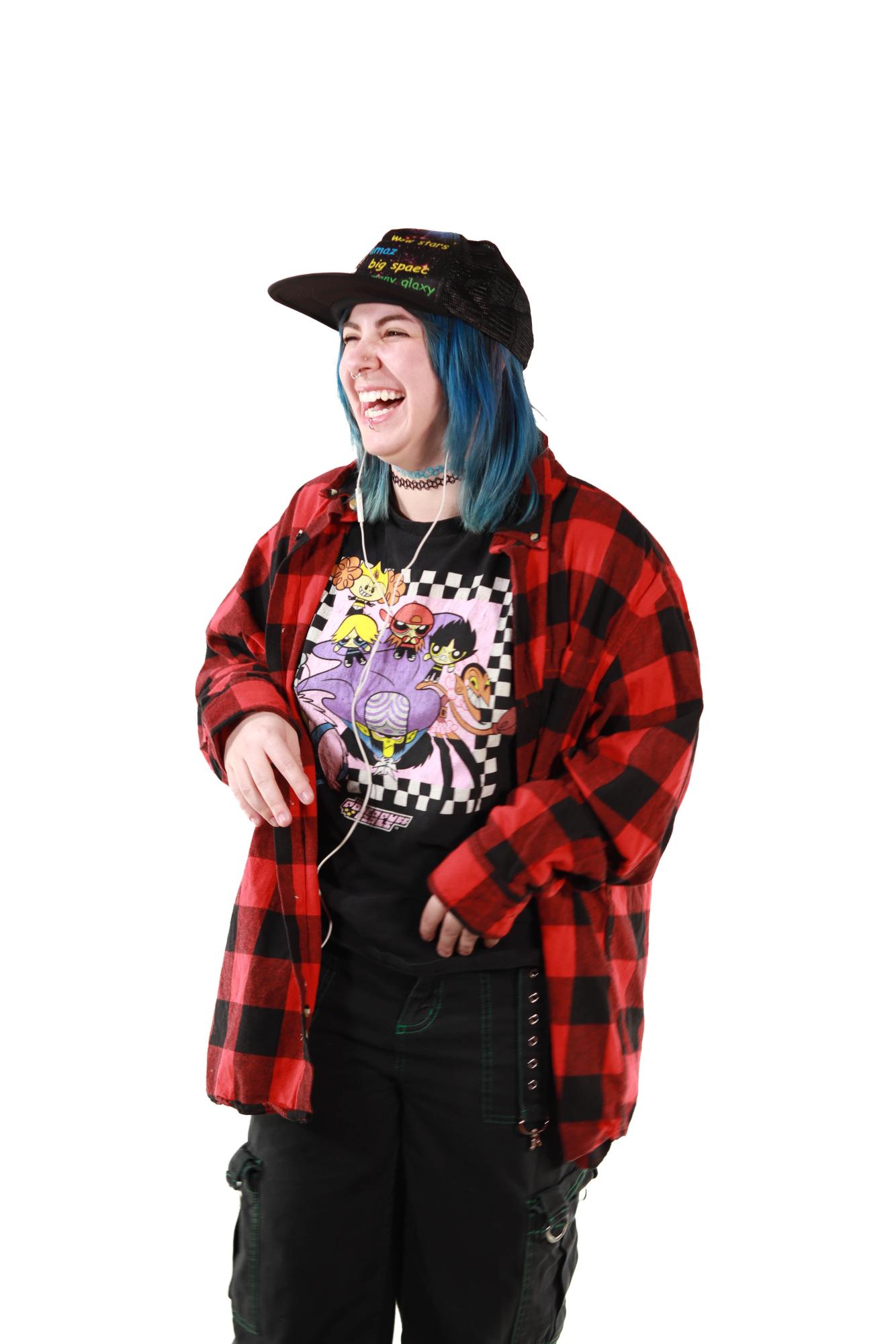
4. Dan and Phil and “The Amazing Book is not on Fire”
Dan Howell and Phil Lester were sacred in the 2010s.
The two creators were a constant emotional reference point for queer people who grew up in the 2010s. Their relationship, which was speculated for years but is now confirmed, was a staple in fan’s lives.
“The Amazing Book is not on Fire,” released by Howell and Lester in 2015, was not just a YouTube book. It was an ancient text.
Their book established a sense of reality for fans of internet creators. It gave legitimacy because the thing that you care so much about is important enough to print.
5. Dabbing and Mustaches
The iconic 2016 gesture, “dabbing,” was a worldwide phenomenon that brought smiles to mouths everywhere. Kids and teens would bend one arm towards their face and point the other to the sky.
Instead of expressing joy or disdain, you would just dab and that said it all.
With dabbing, there were other micro-trends that took the world by storm. Chevron, teal blue and mustaches were everywhere.
People would get mustaches tattooed on their finger and hold them up under their nose. They’d be on necklaces, rings, hats. It was a part of the innocent, unserious and unabashed cringe that was all of our personalities in 2016.
“I know this is dumb,” we would say. “But we’re all dumb.”
Cringe is dead, #bringbackdabbing 2026.
6. Snapchat Filters
Snapchat filters were a foundational aspect of 2016 culture. They weren’t just a gimmick. They were a staple of expression in every Instagram post.
These filters—dog ears, flower crowns, sparkles, and rainbow vomit, to name a few—let you be weird, cute and uniquely yourself. Filters not only softened expressions, but added a cutesy, intimate feel to the photos we snapped to each other.
It also took the pressure off and made us all feel comfortable showing our faces and real emotions.
7. Vine
Vine was never just an app for kids who grew up in the 2010s.
Vine premiered in 2013 and peaked in 2015 and 2016 before it was shutdown in 2017. The platform challenged creators to release videos that made the world laugh in just six seconds.
The six seconds forced us to learn comedy, precision and timing. There was no time for explanation.
This pattern is now seen on social media platforms that still exist. TikTok, Instagram Reels, YouTube Shorts, you name is. Vine is the blueprint.
Besides formatting, Vine also encouraged and rewarded us for our cringe. You didn’t have to be attractive or polished. In fact, it was probably better if you weren’t.
8. Beyoncé’s “Lemonade,” and Frank Ocean’s “Blonde”
Two influential music releases of 2016, “Lemonade” and “Blonde” are still relevant for us as queer people today.
“Lemonade” changed pop music culture into what it is now. The album wasn’t just music. It was a visual film with narrative that talked Black womanhood, betrayal and rage. Beyoncé didn’t soften the message like many did in the 2010s. She reframed her anger as self-respect and power.
In the year of dabbing and meme, Beyoncé offered craft and artistry.
Beyoncé was authority. Frank Ocean, in contrast, was internal monologue.
Ocean’s “Blonde” refused closure and clarity, starkly different from Beyoncé’s “Lemonade,” but that’s why we loved it. The album felt like a coming of age because it was with us for ours.
For many men, especially queer men, the album portrayed boyhood in a way that hadn’t been seen before. In “Blonde,” the male experience could be soft and emotional and tender.
9. “Moonlight” (2016)
“Moonlight,” released in 2016, is a monumental film for the Black queer community. It focuses on sexual discovery, emotion and choosing your family. It changed the perception of Black masculinity because it was unapologetically gay.
It tells the story of Chiron, a young Black man, growing up in Miami. It’s told in three parts—childhood, adolescence and adulthood—which allows viewers to watch as the film explores identity in a realistic way that portrays discovery as a process.
The film did not punish queer characters by villainizing homosexual desire. Instead, it is beautiful. The colorful lighting, intimate soundtrack and expressive acting helped the film win Best Picture among other awards, which is so important as it is such an unapologetic Black, queer film.
10. KLANCE
Keith and Lance in “Voltron: Legendary Defender,” ship-named Klance by fans, was one of the most discussed relationship pairings in 2016.
The two characters’ constant banter and opposites-attract energy are just part of the draw. Again, the animated series launched and hit home for queer audiences during a Tumblr ship craze. Klance was one of the ships that drove fan-fiction, art and GIFS.
Arguments whether their enemies-to-friends-to-more relationship dynamic would actually become real also included heavy discussions on queerbaiting claims, that were brought up due to the creators capitalizing on Klance (and other fictional queer ships) to advertise content.