


















For decades in the film industry, Black cinema and queer cinema have seemed to have one thing in common despite the two genres rarely intersecting. With the exception of a few, these films have seemed to almost always doom their characters to be nothing more than the vessels of traumatic narratives.
In Black films, this trauma often manifested through depictions of poverty, drug abuse, gang violence or incarceration. For queer films, characters are nearly always victims of violent homophobic attacks, compulsory heterosexuality or sudden illness.
In the midst of this, one thing remained abundantly clear in filmmaking: to be Black or to be queer, was to suffer.
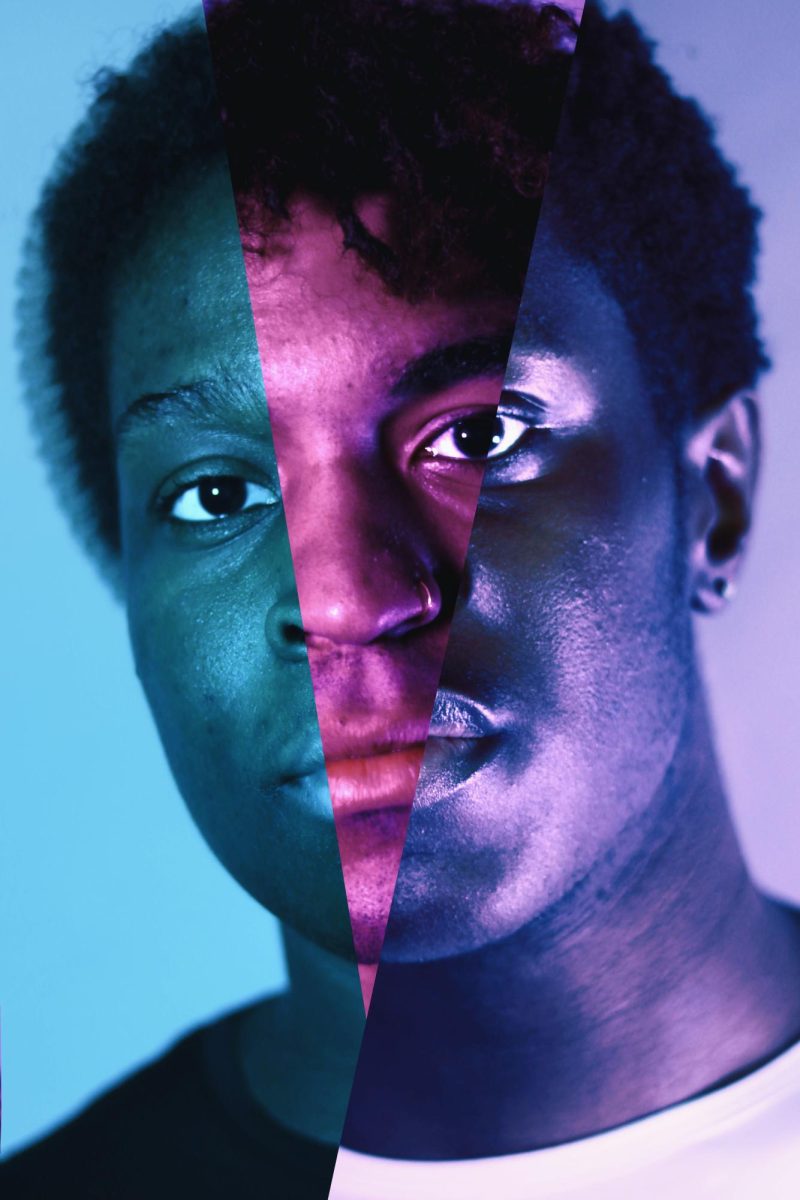
“Moonlight,” featuring a Black queer man as its main character, was able to subvert these tropes and display the intersection of these identities with nuance and care.
Written by Miami natives Tarell Alvin McCraney and Barry Jenkins, the film chronicles the life of Chiron, a young Black gay man through his childhood, teenage years and into adulthood. Although Chiron experiences trauma—he is tormented by his classmates nearly everyday and his mother is a drug addict—his story does not revolve around his trauma. Rather, it revolves around his relationships to those around him.
“You’re in the middle of the world,” Juan, Chiron’s father-figure, tells him as he cradles him in the ocean.
“Moonlight” places its Black queer characters in the middle of the world—at the center of the narrative—allowing them to be human, rather than a spectacle for the audience to ogle at or pity.
E.M. Forster, author of “Maurice,” a 1914 novel about a gay man in Victorian England wrote: “If it ended unhappily, with a lad dangling from a noose or with a suicide pact, all would be well, for there is no pornography or seduction of minors. But the lovers get away unpunished and consequently recommend crime,” he said. “The only penalty society exacts is an exile they gladly embrace.”
Instead of the camera simply following Chiron—acting as an unwelcome visitor or a cage surrounding a wounded animal—the camera often assumes Chiron’s own perspective: scanning the school cafeteria for his crush, looking up at his mother screaming at him and time slowing as he sees his childhood friend, Kevin, for the first time in a decade.
The relationship between Kevin and Chiron is at the core of the film and Chiron’s journey within it.
In their teenage years, Kevin is popular in school and Chiron is relegated to a constant state of ridicule from his peers.
One night, the pair go to the beach and sit in the sand together. As the waves crash and the moonlight shines down on them, Chiron has his first and only sexual encounter with a man. A decade later, Chiron (now living in Atlanta) receives a call from Kevin, offering to cook him a meal at the diner he works at in Miami. The two reunite there and old feelings reemerge.
“Why did you call me?” Chiron asks him.
“Hello stranger, it seems so good to see you back again, how long has it been? It seems like a mighty long time, it seems like a mighty long time,” As the chords play, the two stare at each other from across the room, hypnotized and unable to avert their gazes.
Later, before entering Kevin’s apartment, Chiron stops for a moment and stares at the shore next to the building. He listens to the waves thrashing, then goes inside. They are alone together for the first time since their night on the beach all those years ago.
“You’re the only man that’s ever touched me,” Chiron says to him. “The only one.”
Kevin, initially shocked at this sudden display of vulnerability, smiles. The film ends with the two men sitting on a bed, with Kevin cradling Chiron’s head. We hear waves crashing in the background.
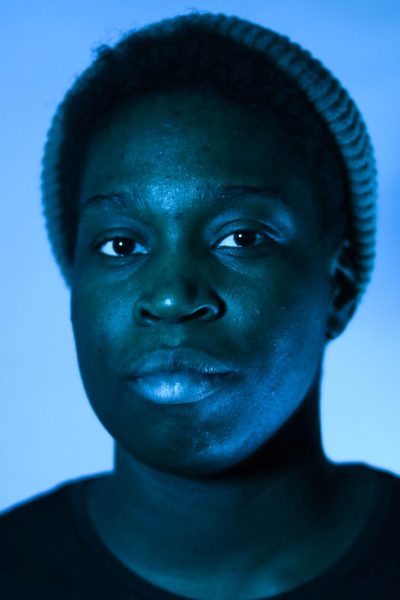
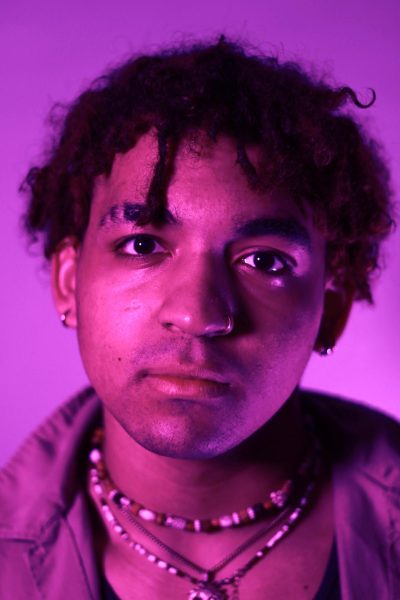
In its final shot, the camera cuts to the back of a young Chiron, on a beach staring out into the water. His skin is glowing with a blue hue under the moonlight. He turns toward the camera and it cuts to black.
With Kevin, on the beach as teenagers and at the end of the film, he experiences true freedom—a relinquishing of societal pressures and expectations. He also experiences this while swimming in the ocean with Juan as a child.
Unlike many films within these respective genres, the film does not allow its characters to succumb to their trauma. It views trauma as something to grow from, rather than an incurable plight.
In the end, there is no untimely death, no extravagant event, no pain. Chiron and Kevin get away unpunished, holding each other in the middle of the world.
This story is in collaboration with Uhuru Magazine.