




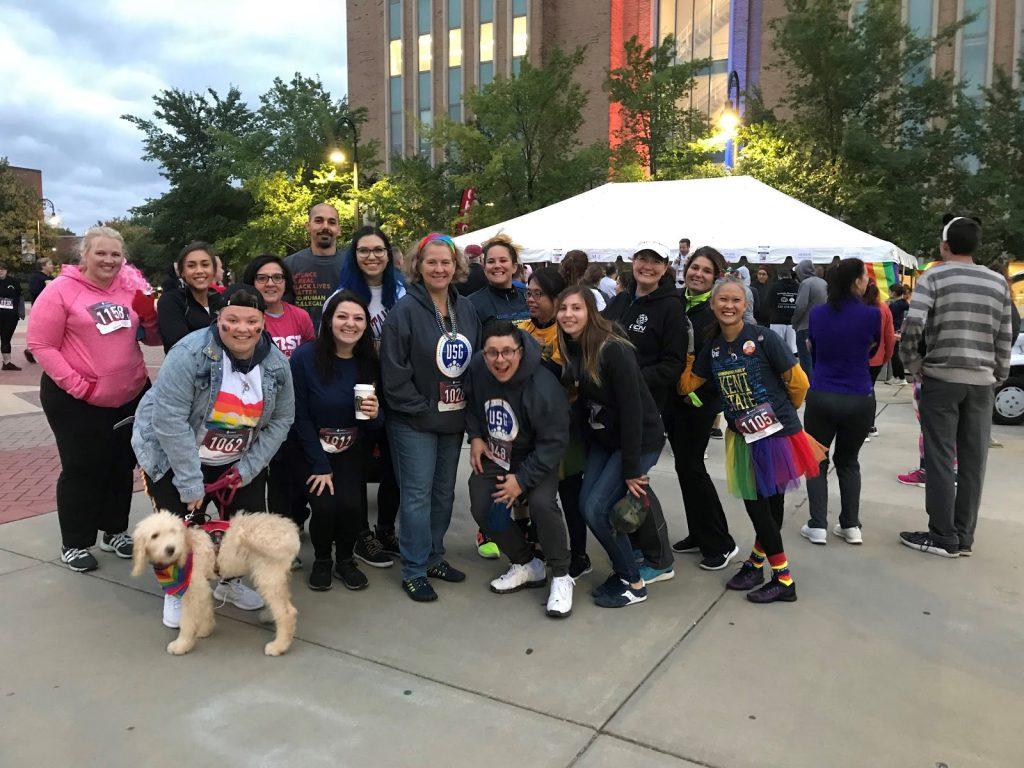
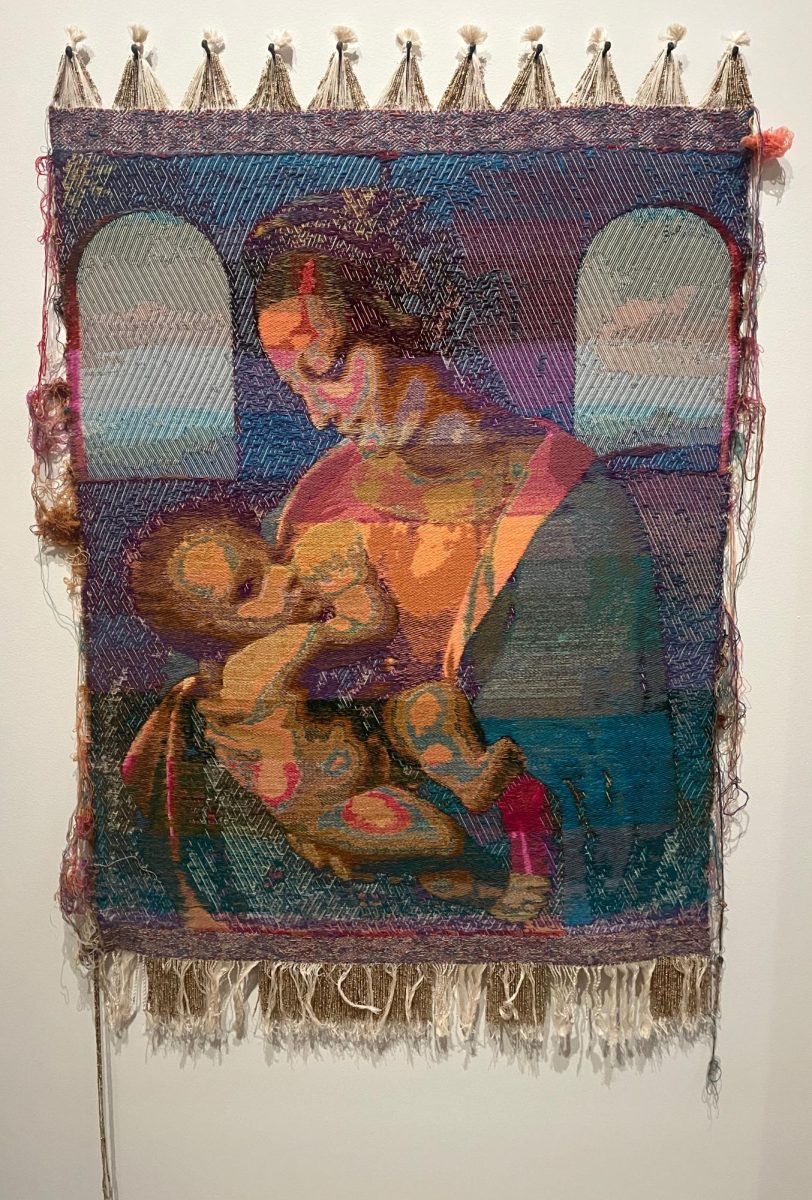

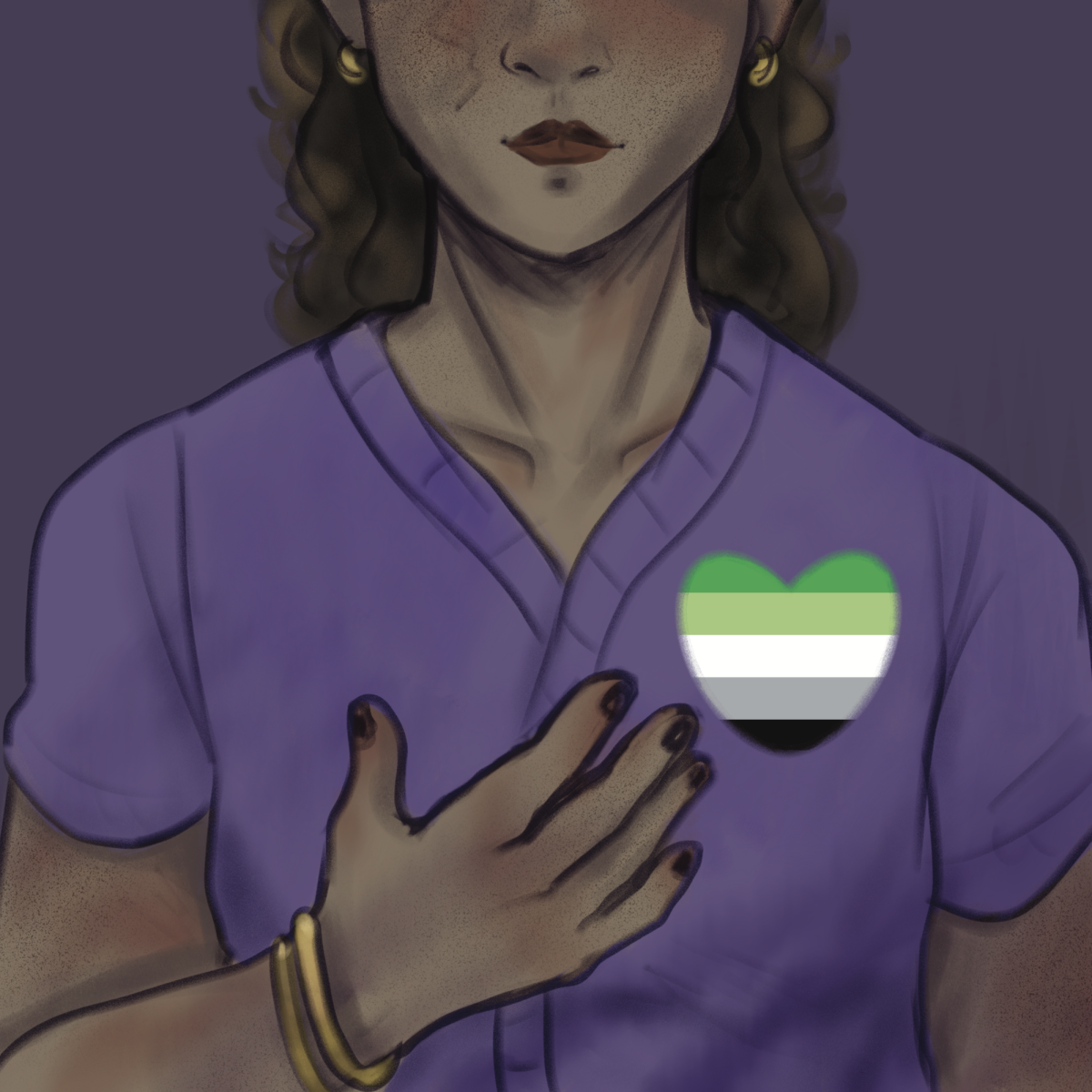













It’s not a stretch to say that a good amount of people in the queer community have a complicated relationship with religion. Many grew up in unaccepting families that practice some sort of faith and many have been victims of hatred from religious folks. Those who have supportive families may end up leaving the church anyway due to rejection from religious communities. However those who don’t leave the church have the interesting opportunity to stand on both sides of the room: the sides of faith and queerness.
“I would say [my queerness and religion] are two parts of my life that walk hand-in-hand but aren’t the same,” says a sophomore Kent State art education student who defines themselves both as a practicing Catholic and a trans-masculine bisexual. “It’s not like in queer spaces I stop being Catholic. It’s not like I go into Catholic spaces and stop being queer.”
They explain that, from an outsider’s perspective, it would seem those two facets of their identity are entirely different, but their belief goes along with their queerness to make up the whole of who they are.
“It ties in with everything because they are just both inherent parts of who I am,” they said.
This student grew up Catholic and continued their relationship with religion throughout their life. Oftentimes, their Catholic beliefs strengthened their queer identity, Catholic ideas of finding who you are through God always leading them to the same place: the LGBTQ+ community.
“Within my journey [with religion] of trying to discover who I am there’s discernment, something within the Catholic Church. It’s a process of reflecting and coming to decisions.”
They describe their religion as reinforcing their queer identity, saying that their queerness and faith “dance around each other” to create their whole self, their whole identity. Just as they could never be forced to stop being queer, they also couldn’t be forced out of their religion, despite what some in either community may want.
To be two things at once, things that seemingly contradict each other, is such a beautiful thing. Being able to stand on both sides of a room and say, ‘I belong here, but I also belong there’ is a unique aptitude not many can say they have. Of course, this kind of quality doesn’t come without pushback from both sides. Religion has always been used against the queer community, it’s not shocking that many have an aversion to religious ideologies and philosophies, even those that are rooted in loving all and spreading good. In the inverse, many religious folk have an aversion to queerness being intertwined with religious spaces, despite the push in recent years for more inclusivity within sacred walls, even from the recently elected Pope Leo XIV.
“Ultimately it’s not [their] choice to make. We are all individual beings.”
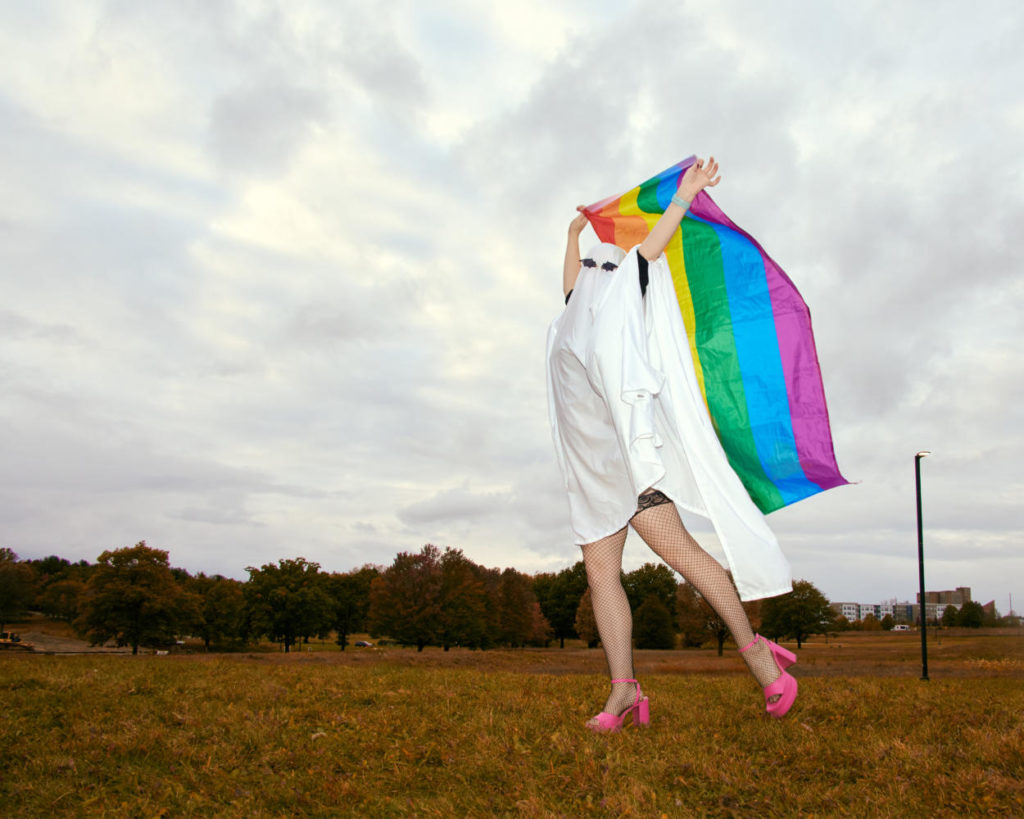
There has been a push in recent times of queer people returning to or taking up their religious beliefs and being more open about their faith now that many religious spaces have become more outspoken in the area of inclusivity and tolerance; Kent’s own United Church of Christ stands right on the edge of campus and proudly states “all are welcome” in front of a rainbow flag.
With these two worlds merging more and more, greater acceptance of queers in spaces that are meant to accept all will, hopefully, continue. If anything, stories such as these can remind us to never stop being who we are, especially when we belong on both sides of the room.